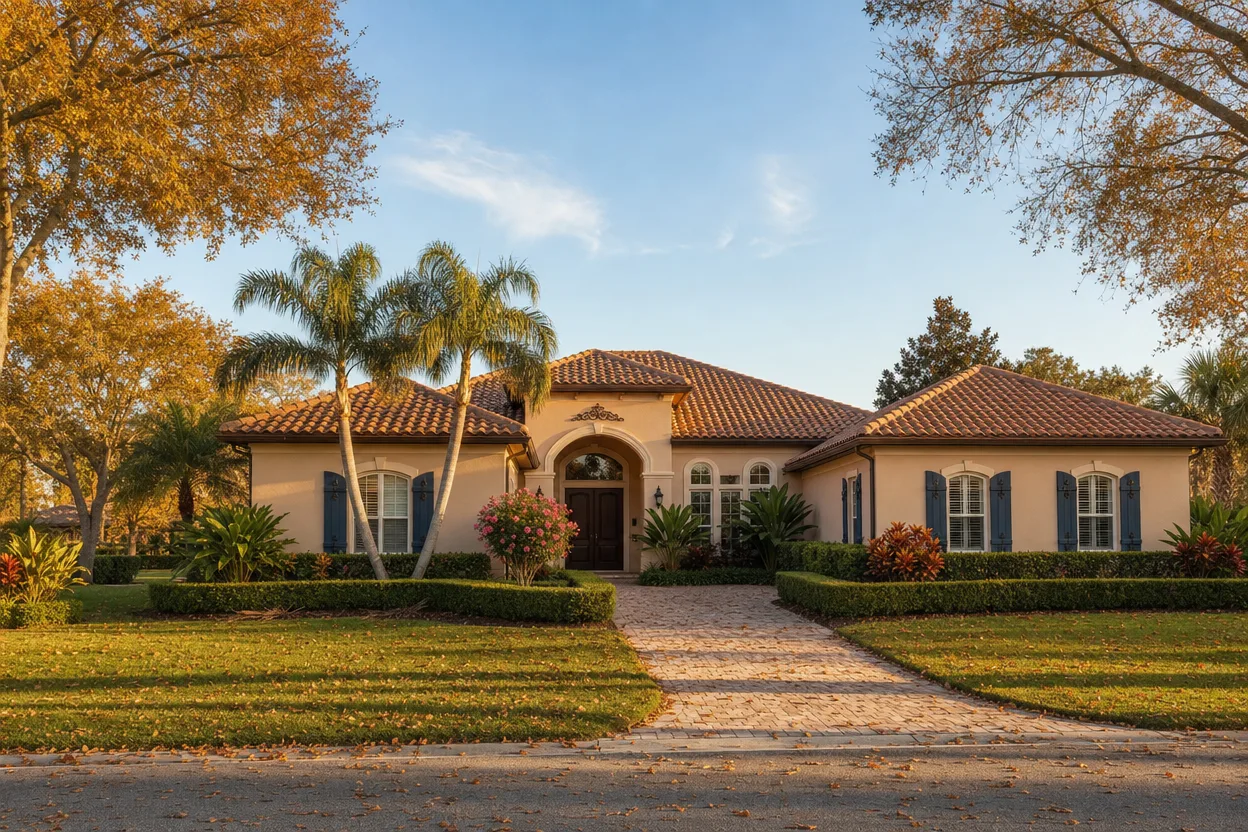
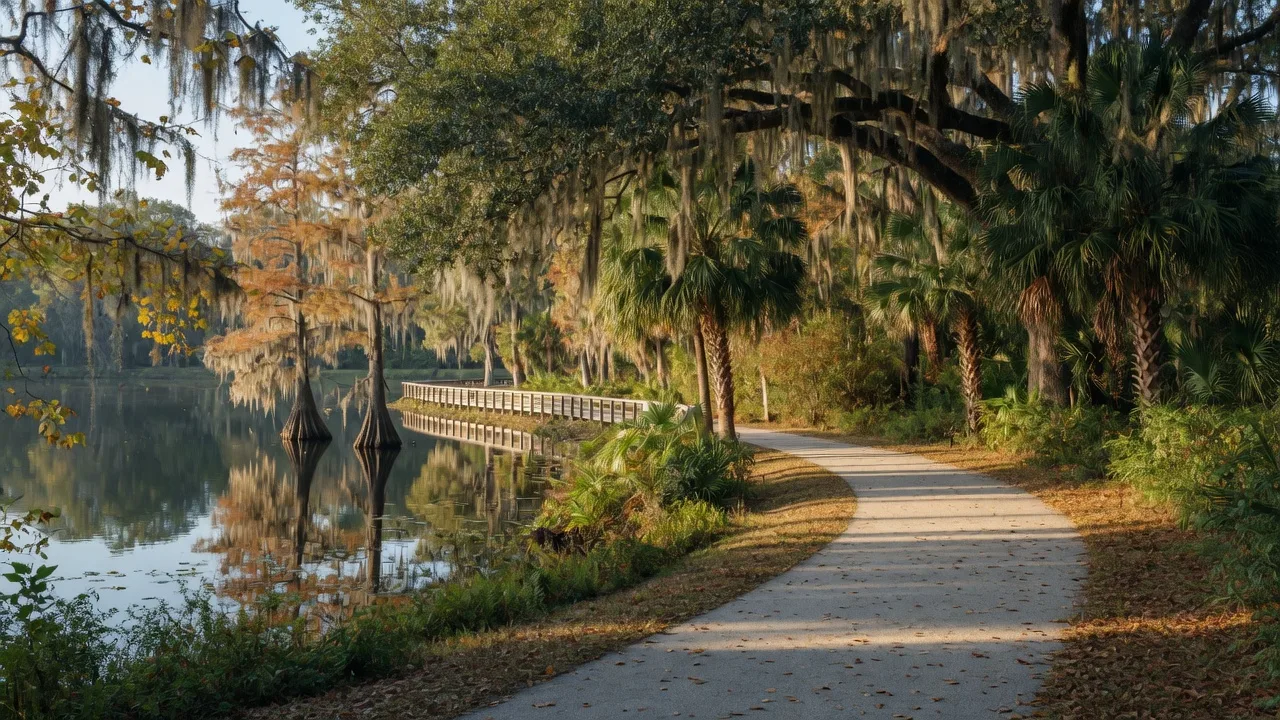
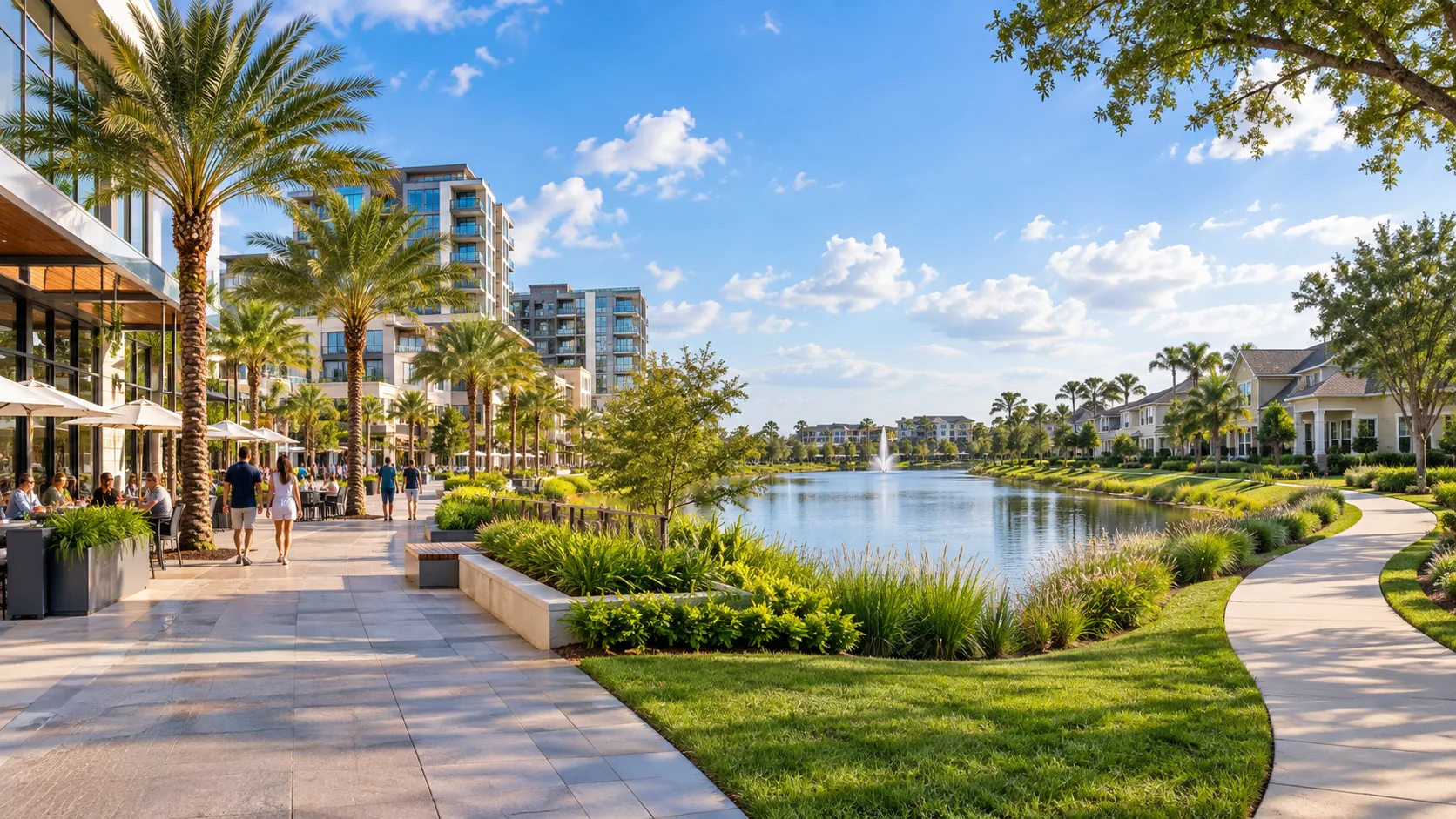
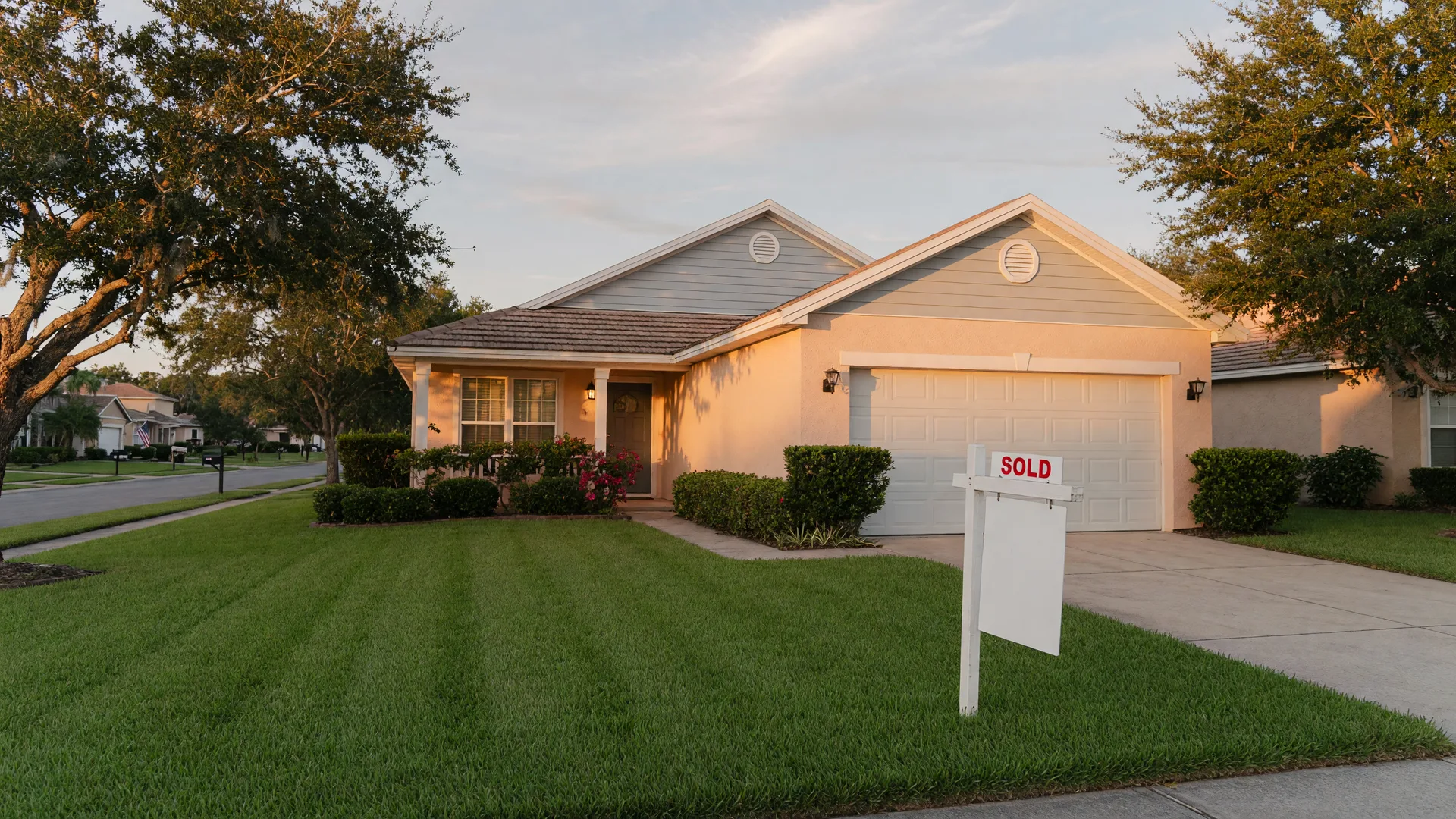
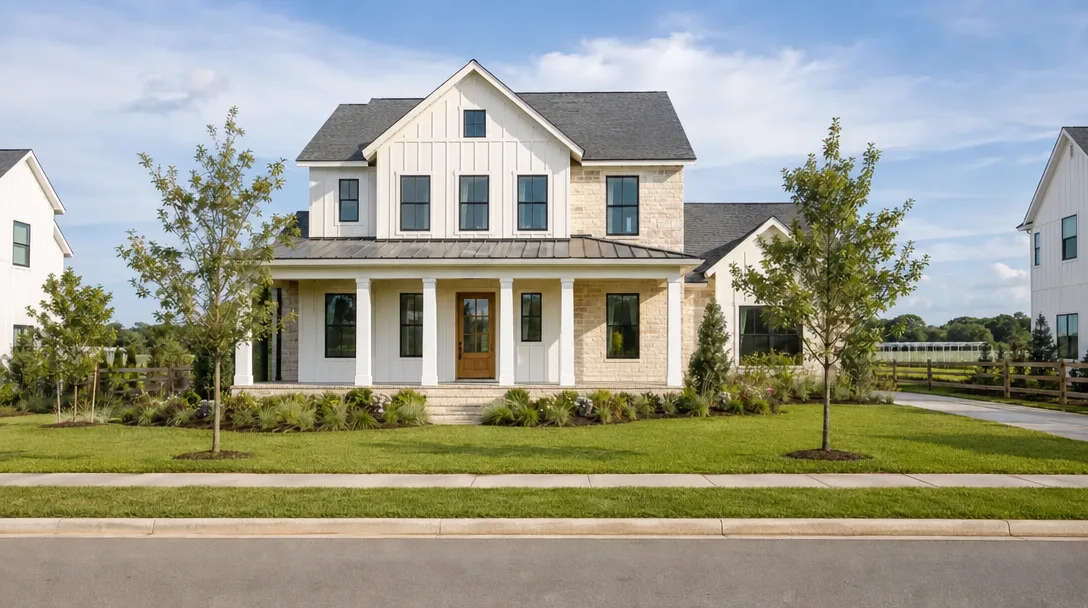
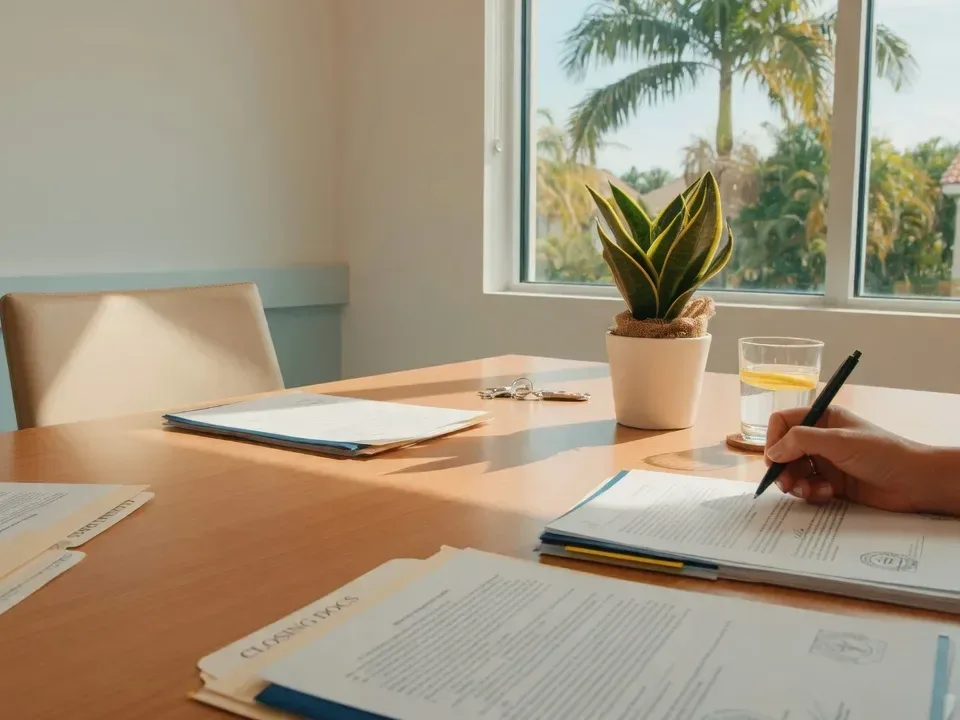
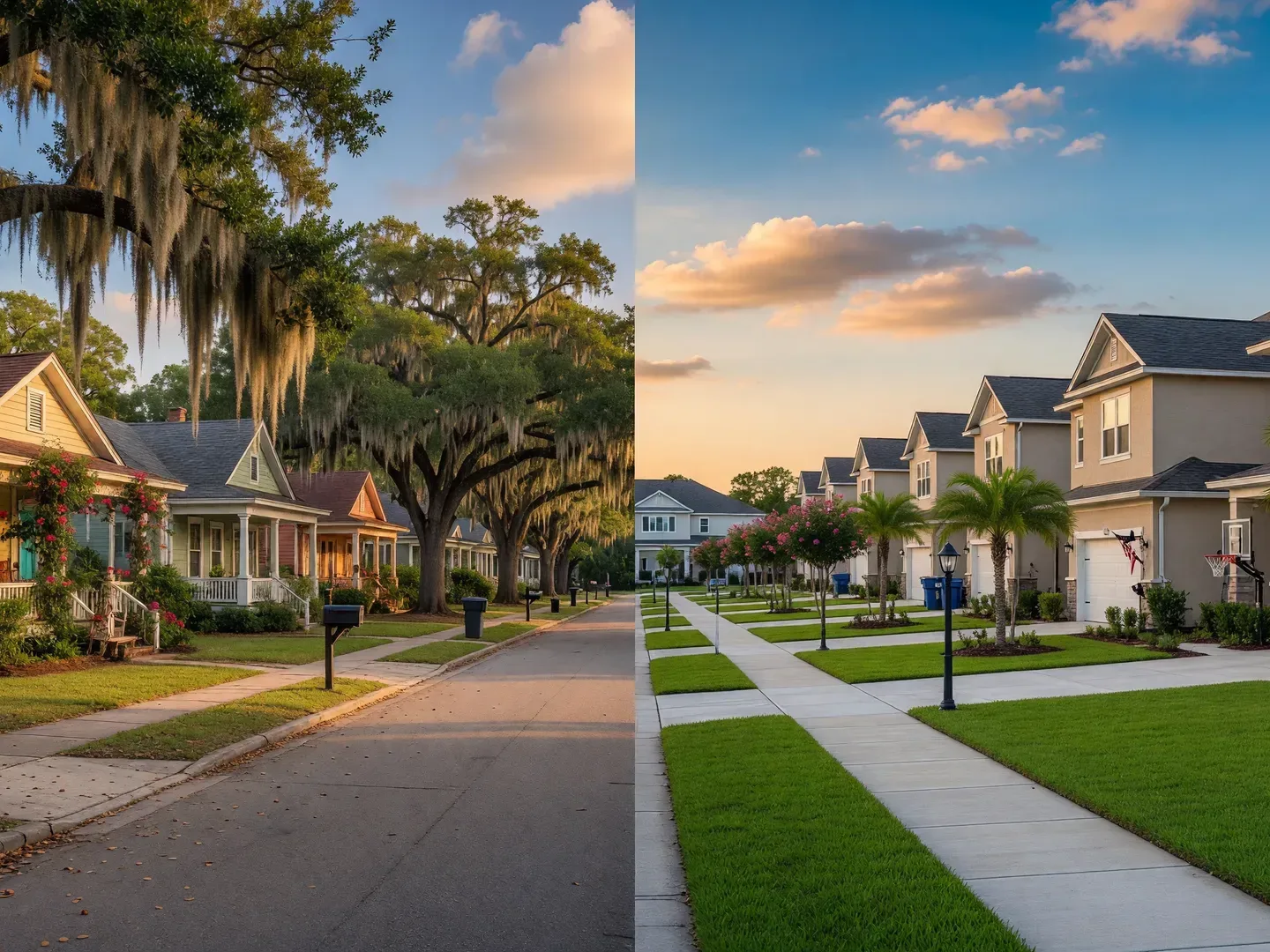
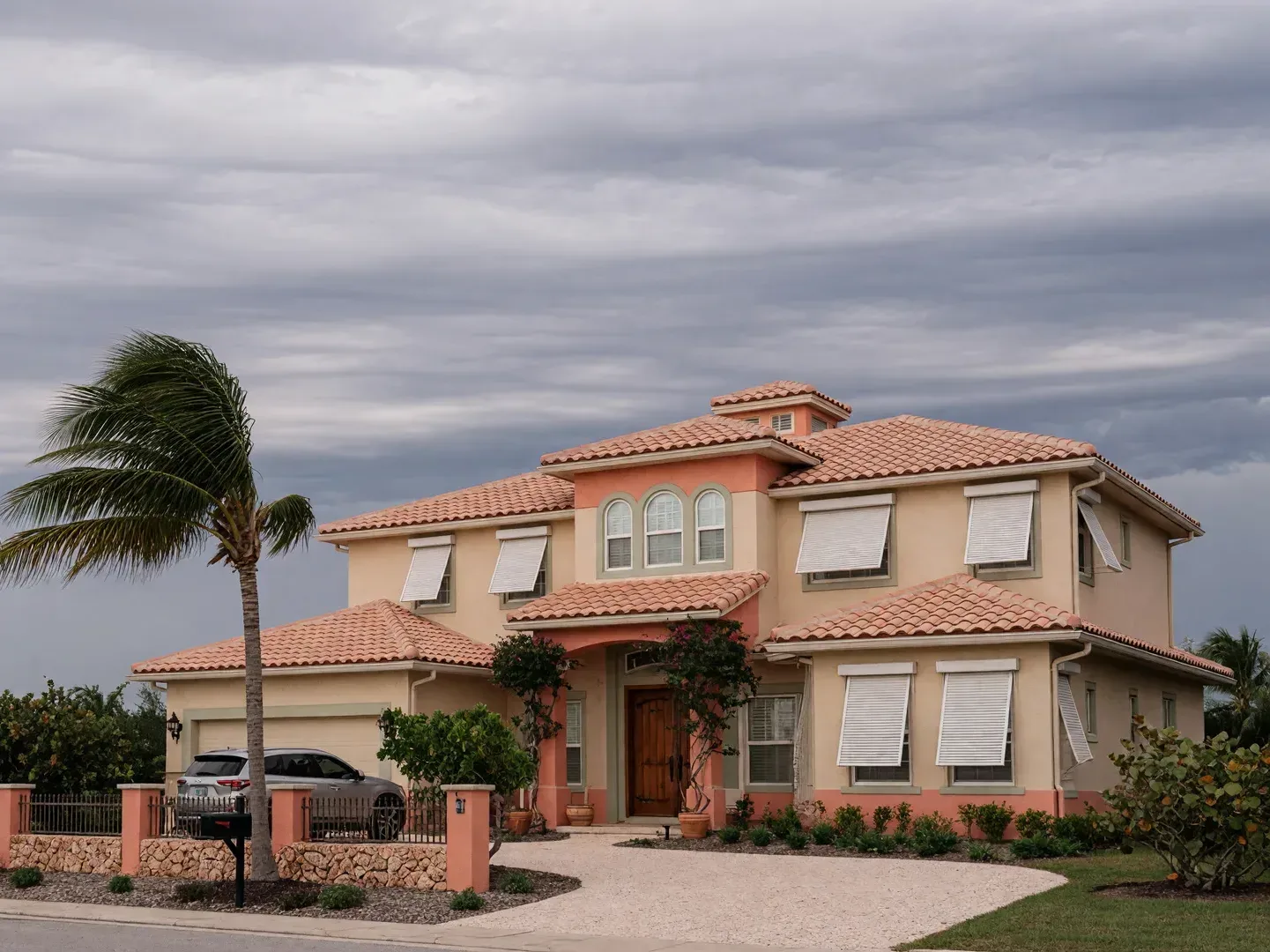
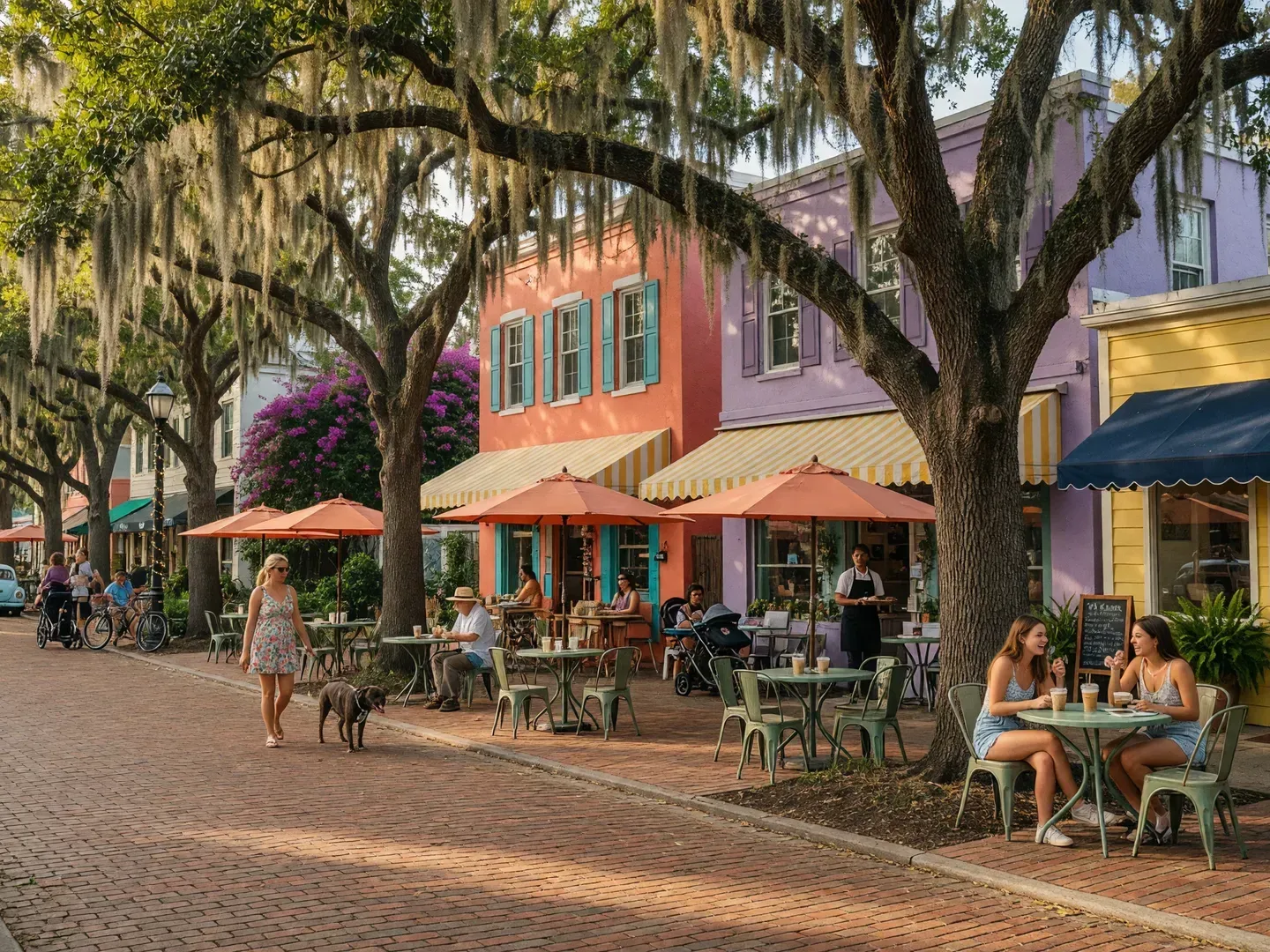
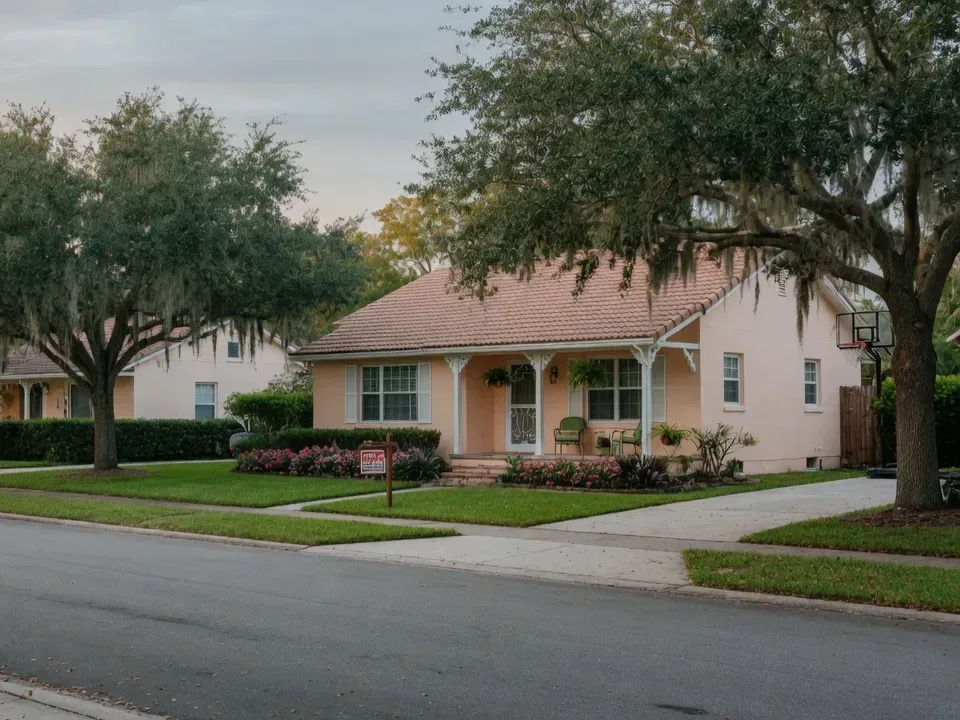
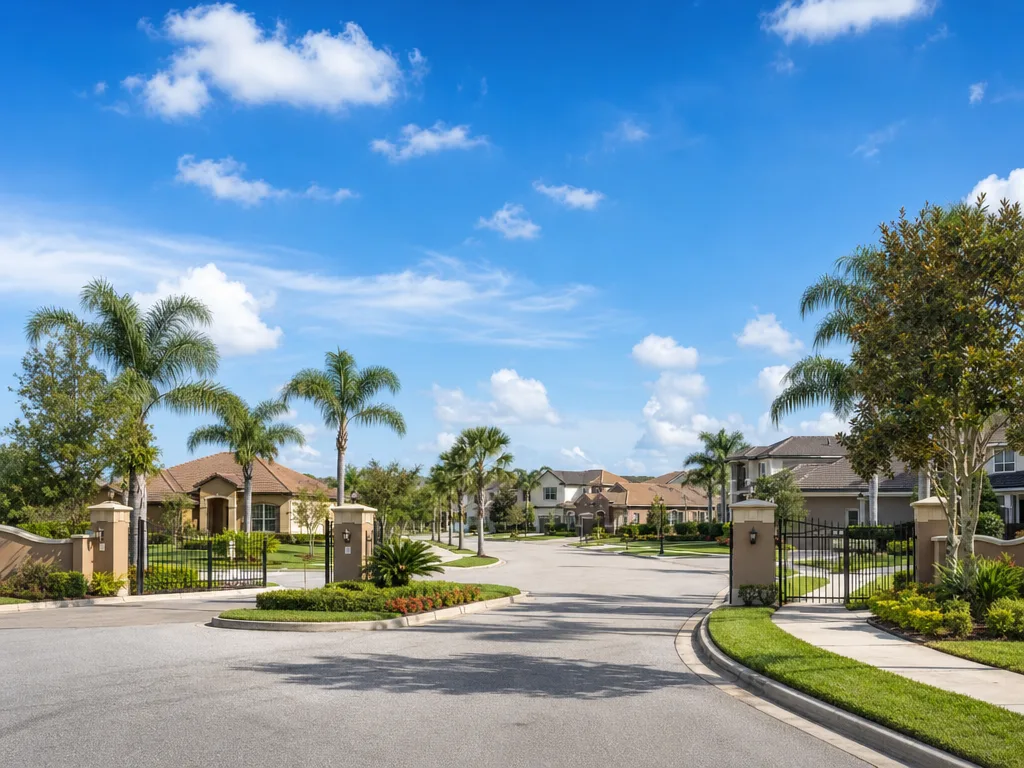
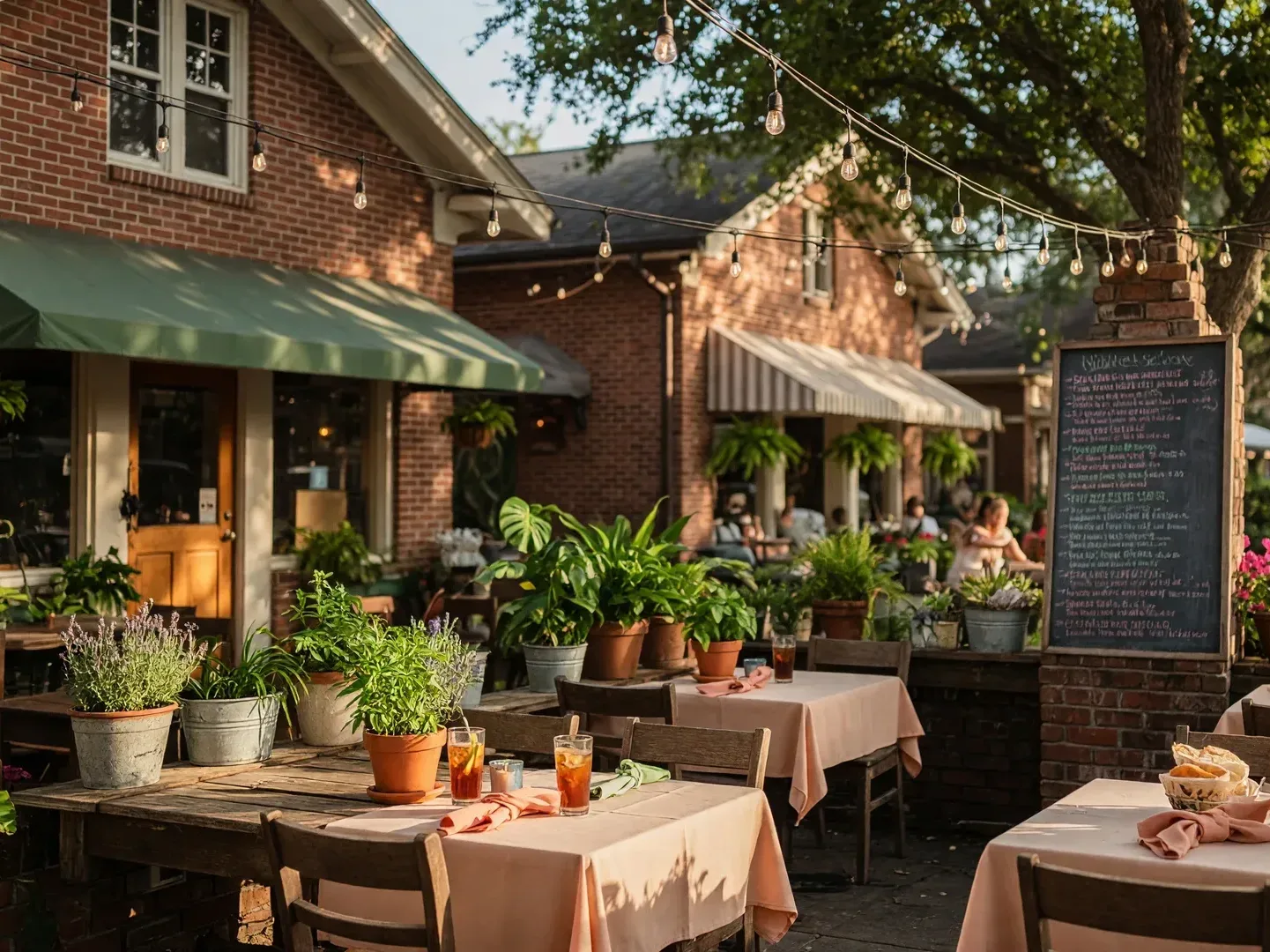
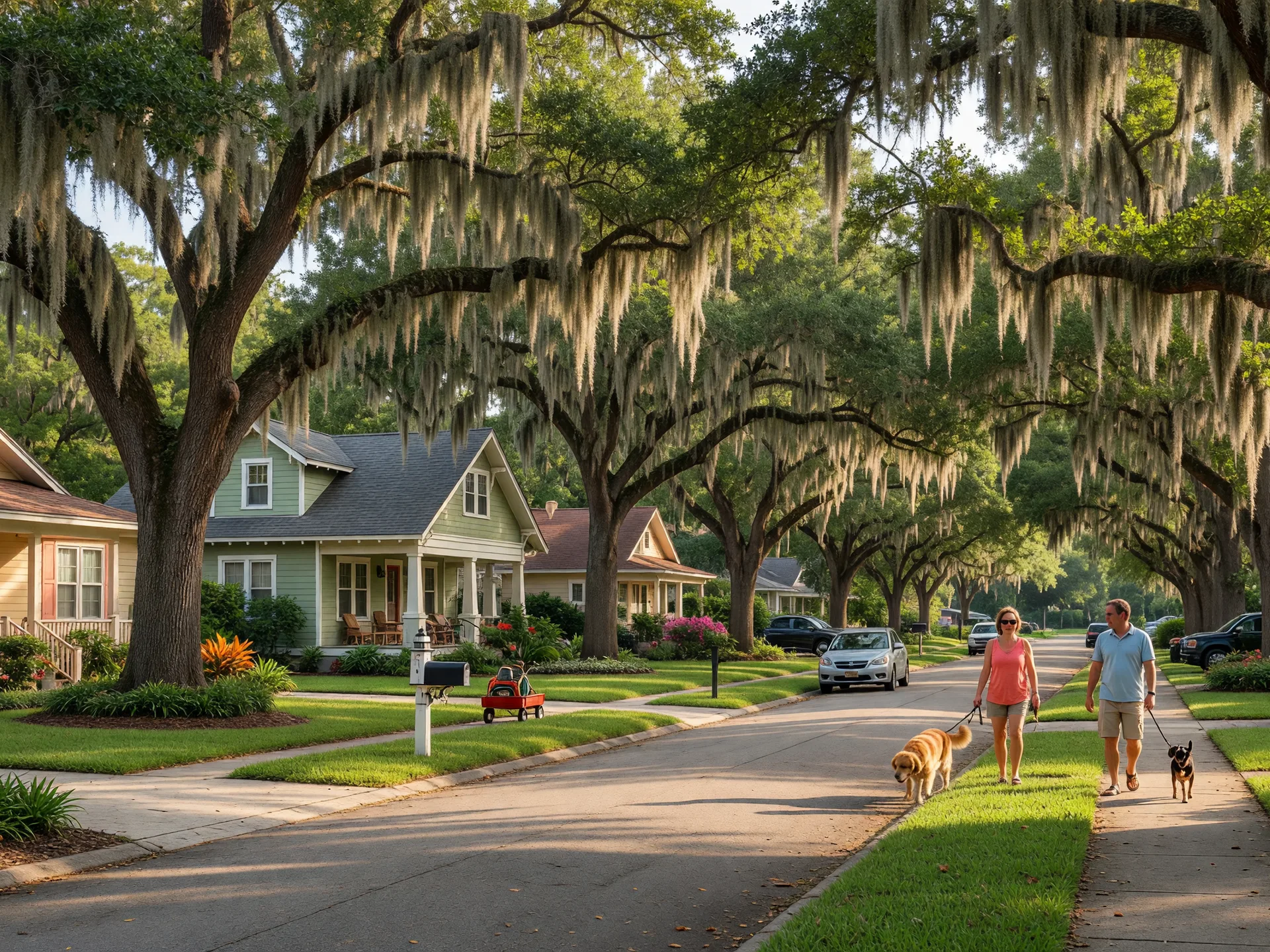
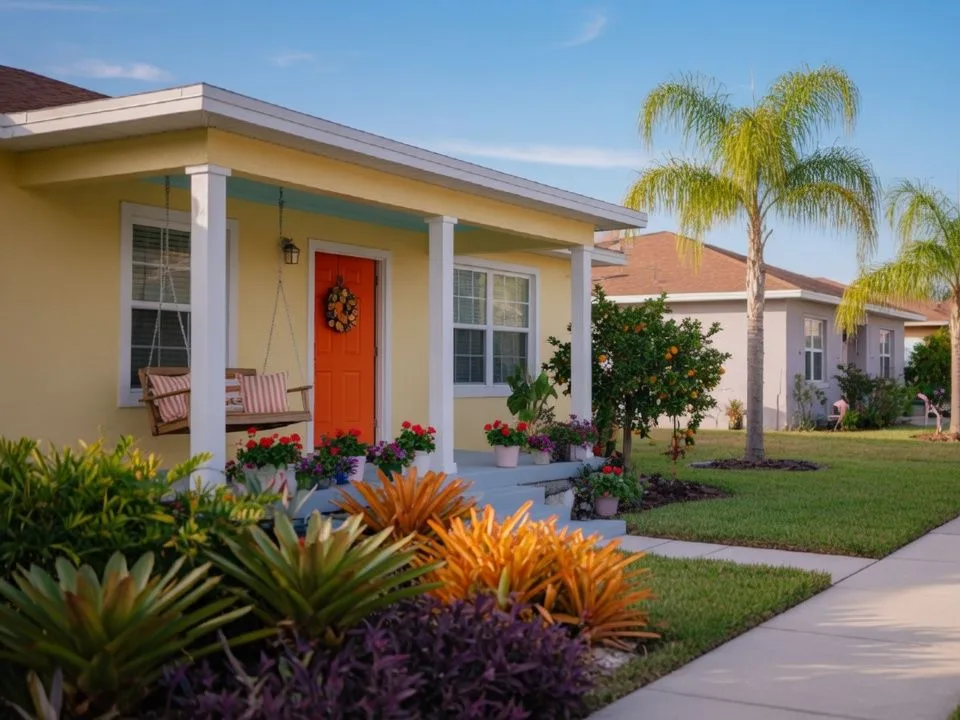
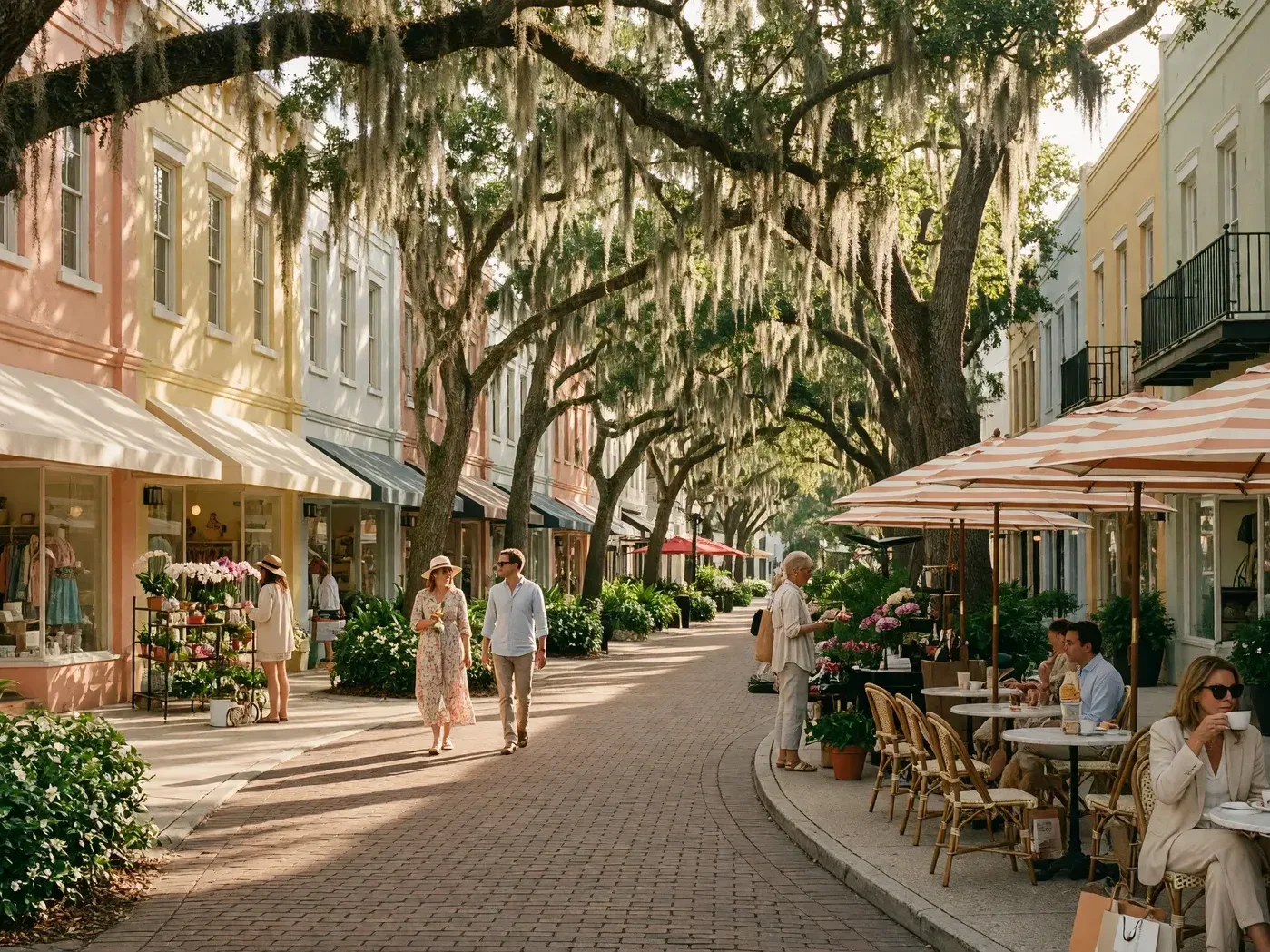
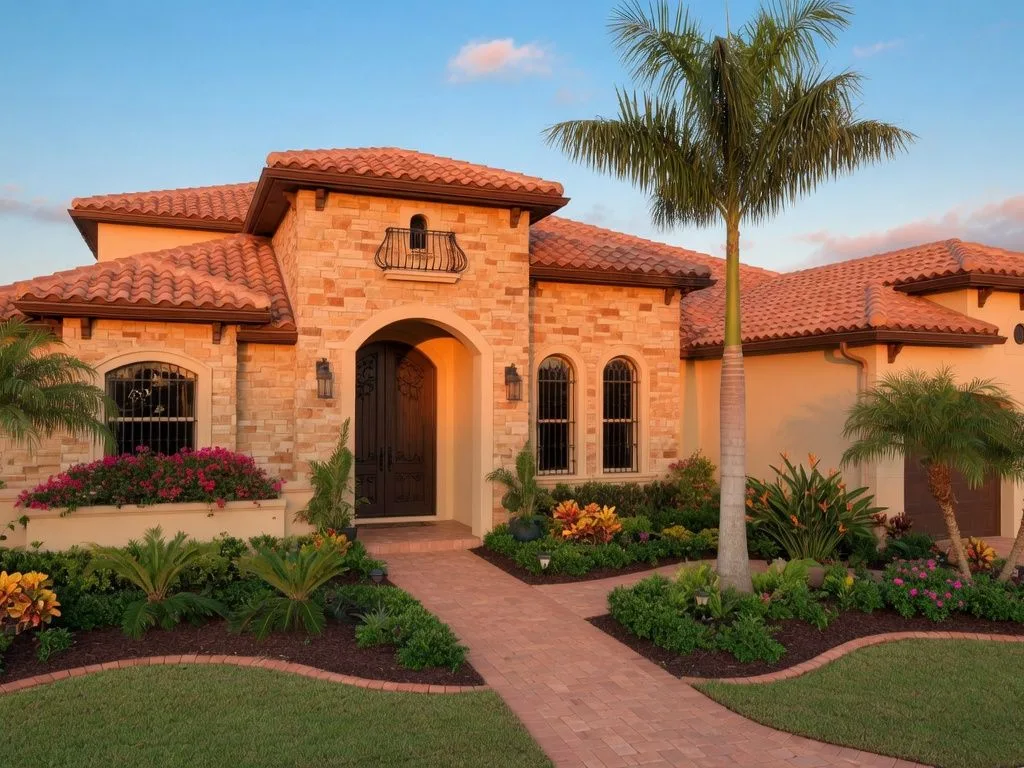
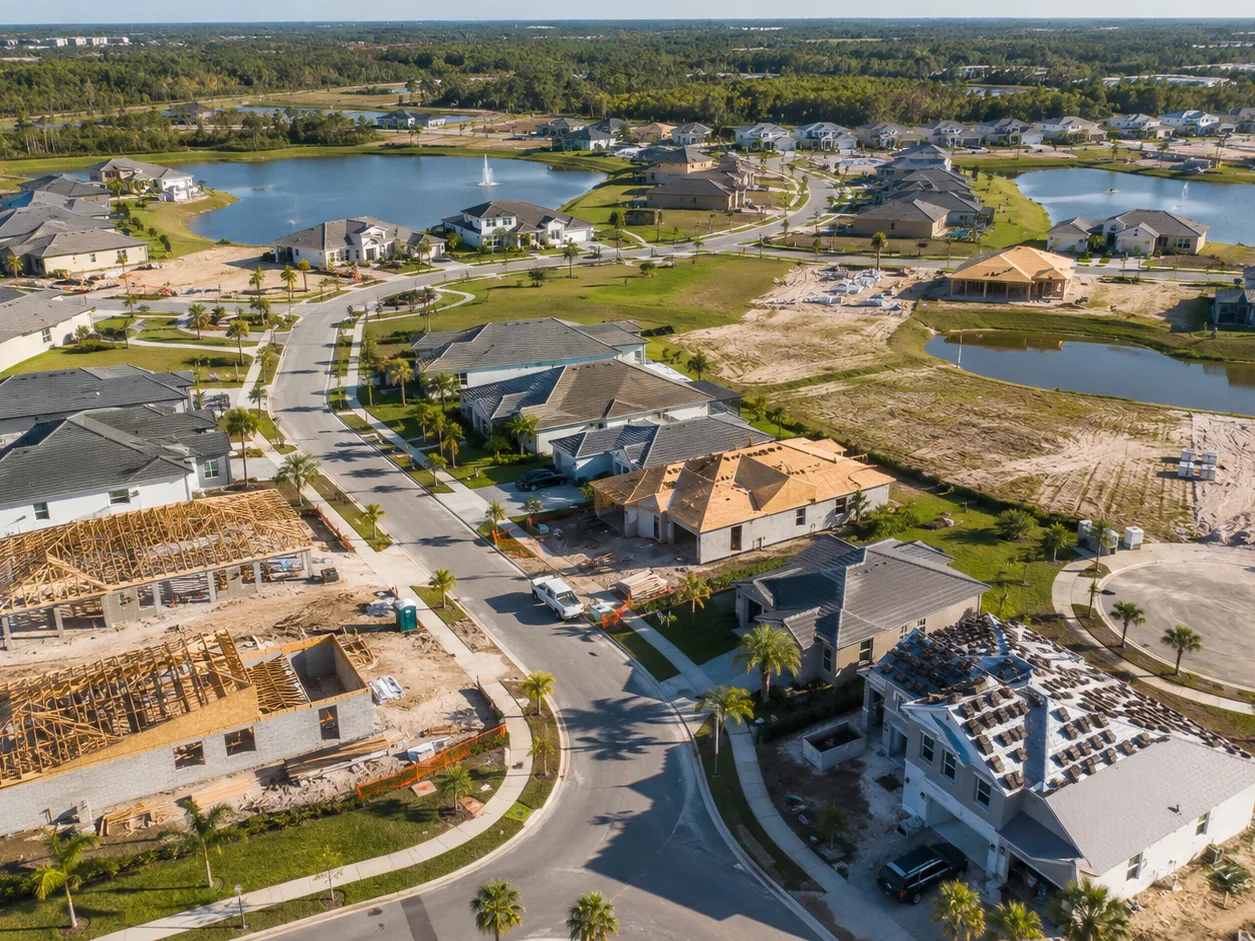
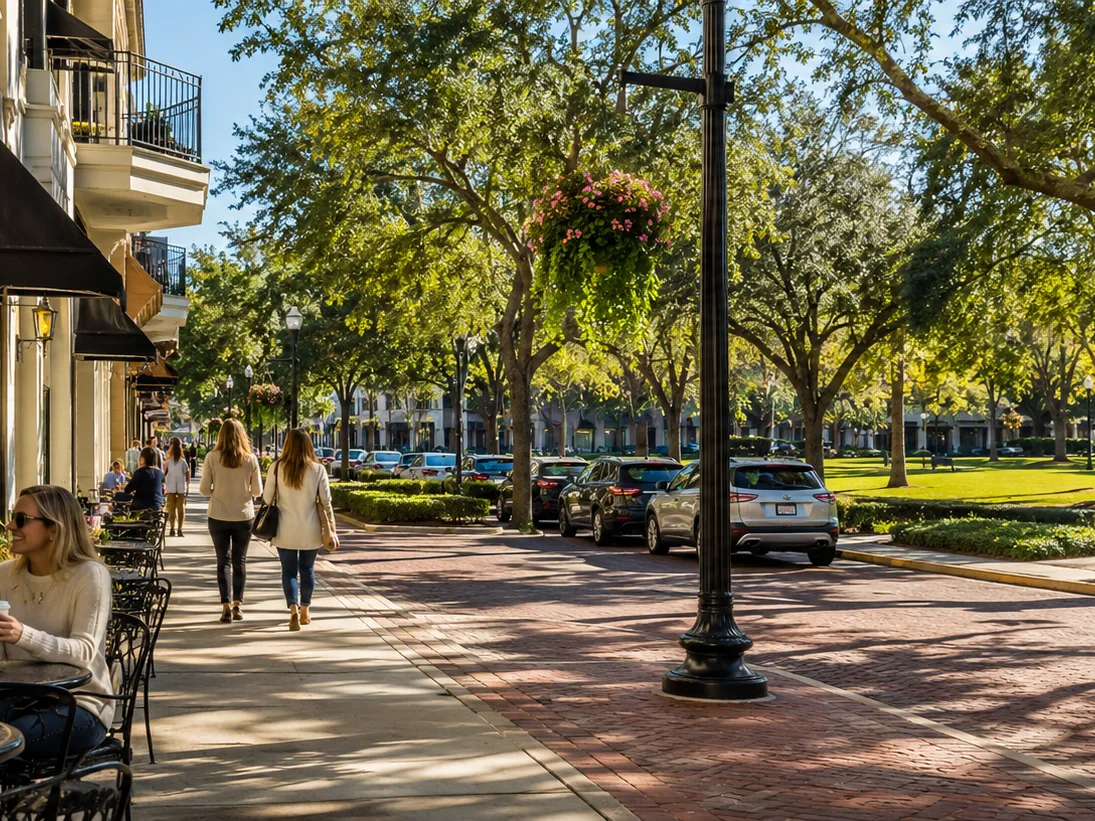
Real estate advice, neighborhood guides, and local lifestyle content that showcases what Orlando, FL has to offer. The goal is to help you make informed decisions about where to live so you can enjoy Central Florida to the fullest.
{"best-time-to-sell-home-orlando":"\"Should I list my Orlando home now, or wait until spring?\" I hear that question a lot this time of year. The holidays are right around the corner, showings start to feel slower, and it's tempting to put everything on pause until the weather warms up and the market picks back up. Here's the short answer: spring is historically the strongest selling window in Orlando, but that doesn't make fall a bad time to sell. In the current Central Florida market, the price difference between selling in the fall and waiting for spring is much smaller than most people assume, roughly 1% to 2% under current conditions. For some sellers, fall is genuinely the smarter move. This guide walks through what the data actually says about the Orlando fall and spring markets, what the tradeoffs are, and how to decide what's right for your situation. How Seasonal Is the Orlando Housing Market, Really? Every market has a rhythm, and Central Florida is no exception. Local and national analysis, including work from the Orlando Regional REALTOR Association and Florida Realtors , points to a consistent pattern: Late winter through early summer (roughly March to July) is the peak window. Buyer activity, showings, and pricing power build from late winter and peak in spring, when more homes close at or above asking than in any other quarter. Fall (September through November) is a slower phase. Fewer new listings hit the market, buyer activity dips, and homes tend to sit a bit longer. The holiday freeze runs roughly mid-November through January. Showings drop and buyer motivation hits its lowest point of the year before activity resumes in February. What has changed in 2025 and 2026 is the size of that swing. A few years ago, the difference between a spring listing and a fall listing in Orlando could be dramatic. Today, with more balanced supply and demand, the seasonal gap has narrowed. The market is less volatile, which means timing matters less than it used to, and things like price, condition, and location matter more. What the Fall Market Actually Looks Like in Orlando Selling in the fall isn't the same as selling during a dead period. It's quieter, sure, but quieter cuts both ways. Less competition. Fewer sellers list in the fall, which means your home competes against a smaller pool of similar listings. Serious buyers. The people touring homes in October and November tend to be motivated. They're not browsing for fun. Relocation buyers are active. Out-of-state and snowbird buyers often start their Orlando searches in late fall and winter, even when they plan to close in spring or summer. Longer days on market. Homes do tend to sit longer in the fall. In Orange County, the median time on market was around 71 days as of August 2026, according to St. Louis Fed data . What the Spring Market Actually Looks Like Spring is when the largest number of buyers shows up, and that's not an accident. Families want to settle in before the next school year, the weather makes house hunting easier, and a fresh wave of new listings draws more attention to the market as a whole. The biggest buyer pool of the year. More showings, more offers, and more competition for well-priced homes. Historically the strongest pricing window. Realtor.com's Best Time to Sell analysis has suggested that spring listings can see prices roughly 5% to 6% higher than other seasons in a typical year. More competition from other sellers. Spring brings more new listings, so your home also has to work harder for attention. The key phrase there is \"in a typical year.\" In the current balanced market, the spring advantage has moderated. Orlando Regional REALTOR Association data for August 2026 showed a median home price around $400,000 in the metro with roughly five months of supply, a market where buyers have more choices and a meaningful share of listings carry price reductions. In this kind of market, the estimated fall-to-spring price difference is closer to 1% to 2%, not the double-digit swings of a few years ago. So, Should You Sell Now or Wait Until Spring? The honest answer is that it depends less on the calendar and more on your situation. Let me give you a practical framework. Sell now if: Your timeline says move, whether that's a new job, a growing family, or a planned relocation. Waiting costs months you may not have. Your home is already in good shape. If it's show-ready now, there's no reason to park it for six months. You want less competition. Fewer listings in the fall means your home stands out more in search results and at showings. You're selling and buying at the same time and need the coordination. That's one of the most common scenarios I help with. Wait until spring if: You genuinely don't need to move for many months and want the widest possible buyer pool. Your home needs real prep work, and you'd rather spend the winter renovating and decluttering than selling in a hurry. You're flexible on timing and prefer the busy-market energy of spring showings. Here's what I tell clients: the best time to sell is when your home is ready and your life timing lines up. A well-priced, well-presented home sells in the fall. An overpriced or unprepared home struggles in the spring. The market helps, but it doesn't rescue you. Does Selling in the Fall Really Mean Leaving Money on the Table? Let's do the math. If the fall-to-spring difference is roughly 1% to 2% in current conditions, on a $400,000 home that's about $4,000 to $8,000. That's real money, and you shouldn't ignore it. But waiting has costs too. While you wait, you're paying the mortgage, property taxes, insurance, HOA fees, utilities, and upkeep. Those carrying costs add up quickly, and they can easily eat a large chunk of that 1% to 2% difference. If you're also buying your next home and covering two households for part of the overlap, the math tilts even further. Then there's the risk side. Waiting means betting that the market six months from now looks like the market today. Nobody can guarantee that. Sometimes the right move is to lock in today's conditions rather than gamble on next spring. This isn't a one-size-fits-all calculation, which is exactly why it's worth talking through with a local advisor before you decide. I go through the full pricing picture in my guide to pricing your Orlando home to sell . The Holiday Season Question The stretch from mid-November through mid/late January is the slowest of the year for Orlando real estate. Showings drop, and many buyers pause their search until the new year. Does that mean you should pull your home off the market for the holidays? Not necessarily. The buyers who do look during the holidays tend to be the serious ones, and an actively listed home catches the people who are just starting their search. Some sellers list in late fall specifically so their home is already in front of the market when activity ramps back up in February and March. A middle path: if your home is listed when the holidays hit, keep it listed, keep it show-ready, and let your agent's marketing keep working. What you generally don't want is to let the home sit with stale photos, fading curb appeal, and a quiet marketing plan through the slowest months of the year. How to Make the Most of a Fall Sale If you decide to sell now, a few moves make the fall market work harder for you: Price it right from day one. In a balanced market, the first two weeks bring the most attention. Overpricing and dropping the price later is the most expensive mistake I see. The numbers behind a strong starting list price are in this guide . Get the presentation right. Staging and decluttering matter even more when there are fewer buyers, because the ones touring are comparing you closely. See my room-by-room staging guide . Fix the small stuff. Buyers notice what's worn. Tackle the high-value repairs before you list, not after the inspection. If you're wondering which projects pay off, check the improvements that actually add value . Schedule smart. List in September or early October to catch the fall buyer wave before the holiday freeze, or time a fresh listing for the first weeks of the new year. And if your home is already listed and not getting the attention you expected, the issue is usually price, condition, or marketing, not the month. These seven reasons buyers may be passing it up cover the usual suspects. Frequently Asked Questions About Selling in Orlando's Fall and Spring Markets Is Fall a good time to sell a house in Orlando? Yes, it can be. Fall brings fewer competing listings and motivated buyers. In the current balanced market the fall-to-spring price difference is small, roughly 1% to 2% as of October 2026, so a well-priced fall listing can do very well. How much more do homes sell for in spring vs. fall in Orlando? Historically, Realtor.com's Best Time to Sell analysis suggested spring listings could see prices roughly 5% to 6% higher in a typical year. In the moderated 2025 and 2026 market, the estimated difference has been closer to 1% to 2%, with longer days on market across the board. What is the slowest time to sell a home in Orlando? The holiday freeze, roughly mid-November through January, is the slowest stretch of the year. Showings drop and buyer activity hits its yearly low. Activity typically resumes in February and ramps into the spring peak. Should I wait until Spring to sell my Orlando home? It depends on your timeline, your home's readiness, and whether you can comfortably carry the costs of waiting. If you need to move on a schedule or your home is already market-ready, waiting rarely makes sense. If you have time and your home needs work, the winter can be a productive prep window. The Bottom Line The Orlando market isn't as seasonal as it used to be, but the rhythm is still real: spring brings the most buyers, fall brings the least competition, and the current balanced market has narrowed the price gap between them to roughly 1% to 2%. What matters more than the month on the calendar is whether your home is priced right, presented well, and timed to your life. If your home is ready and your timeline says go, don't let a calendar convince you to wait six months. And if you're not sure, that's a conversation worth having with a local advisor who knows your street, not just your zip code. One note on sourcing: the market figures in this post reflect publicly available data as of October 2026, including the Orlando Regional REALTOR Association's housing market narrative and St. Louis Fed data on Orange County days on market. Markets move, so treat this as context for a conversation, not a guarantee. To be clear about my role: I'm a licensed real estate advisor with eXp Realty, not a lender, appraiser, or tax professional. The timing decision is yours, and my job is helping you weigh it honestly. If you're trying to decide whether to sell now or wait, that's exactly what a discovery call is for. We'll look at your home, your timeline, and your numbers, and come up with a plan you can feel good about. No pressure. All the best, Arturo Related Articles Selling How to Price Your Home to Sell in Orlando What a CMA includes, why overpricing backfires, and how to pick a list price that attracts buyers. Selling How to Sell Your Orlando Home While Buying the Next One How to handle the timing, finances, and logistics of selling and buying at the same time. Selling Why Isn't My Orlando Home Selling? Seven common reasons buyers may be passing your home up, and what to do about each one.","how-to-stage-home-to-sell-orlando":"You’re getting ready to sell your Central Florida home, and somewhere between talking about price and marketing photos, your agent brings up staging. Your first thought might be… Do I really need that? After all, your furniture already looks fine. Or maybe you’re thinking it would be easier to leave the home empty so buyers can “picture themselves living there.” Doesn’t everyone do that? Here’s the thing: what feels like Home to you, and what helps a buyer fall in love with someone else’s home, aren’t always the same thing. So, what does home staging actually involve? Is it worth the money? What does home staging cost in Central Florida, and how much of it can you realistically do yourself? Here's the short answer: staging is the practice of making your home easy for buyers to picture as their own. It doesn't always require renting furniture or hiring a designer, although both are effective options. In the Orlando area, a full professional staging project typically start around $1,500 and can go up to several thousand dollars depending on your needs and the size of the home. The payoff is measurable: in the National Association of Realtors' 2025 Profile of Home Staging, 49% of sellers' agents said staging reduced the time a home spent on the market, and 29% reported that staging increased the dollar value offered by 1% to 10%. Whether you hire help or go the do-it-yourself route, this guide walks through the whole thing room by room. Note: staging costs vary by home size, condition, and the stager you choose. The figures below reflect typical Orlando-area pricing as of October 2026 and are estimates, not quotes. What Is Home Staging, Really? Staging is presentation, not renovation. It's the process of arranging a home so its best features stand out and buyers can see themselves living there. A staged home feels clean, uncluttered, neutral, and welcoming. An unstaged home, even a lovely one, asks buyers to do the imagining themselves, and many of them simply will not. Staging comes in three levels, and they're very different in cost: Do-it-yourself staging: decluttering, deep cleaning, rearranging furniture you already own, and adding a few inexpensive touches. Cost: your time plus a small budget for supplies. Partial staging: a professional consultation plus a few rented pieces to fill gaps, like a dining table for an empty dining room or a bed for a vacant primary bedroom. Full staging: a stager brings in furniture, art, and accessories, usually for a vacant home or one whose current furniture doesn't fit the target buyer. Most occupied homes benefit most from the first level. Most vacant homes need at least some furniture, because an empty room reads as smaller and colder than a furnished one. Does Staging Actually Help Homes Sell Faster? Yes, and the numbers come from the real estate industry's own research. The National Association of Realtors' 2025 Profile of Home Staging surveyed more than 1,200 real estate professionals and found: 49% of sellers' agents said staging reduced how long the home spent on the market. 29% of agents said staging increased the dollar value offered by 1% to 10% compared with similar unstaged homes. 83% of buyers' agents said staging made it easier for buyers to envision the property as their future home. The same report ranked which rooms matter most to buyers: the living room (37%), the primary bedroom (34%), and the kitchen (23%). That's a useful prioritization when you're deciding where to spend your staging energy and budget. Where to Start: Declutter Before You Decorate Staging is 80% subtraction. Before you buy a single throw pillow, the house needs to feel lighter and more open. Work through these steps first: Pack away personal items. Family photos, kids' artwork, trophies, and collections should come down before showings. Buyers want to picture their own family in the home, not yours. Clear counters. Kitchen counters should hold only a few purposeful items: a coffee maker, a utensil crock, maybe a small bowl of fruit. Remove excess furniture. If a room feels crowded, move pieces out. You want clear walking paths and visible floor space. Utilize a garage for storing excess furniture, or consider a short term storage unit. Thin out closets. Buyers open closet doors, and an overstuffed closet reads as too little storage. Keep closets around 70% full so they look roomy. A few storage bins can help a lot. Store your overflow bins in a garage or attic to keep it out of sight. Store the seasonal overflow. In Central Florida that often means holiday decor, extra linens, and the furniture that only gets used twice a year. A good rule of thumb: if you haven't used it in a year, it can live in a storage bin until after the sale. You're packing early either way, so you might as well get a head start on the move. Deep Cleaning and Small Repairs: The Non-Negotiables No amount of furniture arranging covers up a dirty home. Buyers notice baseboards, grout, ceiling fans, and light switches. Before you stage anything, budget for a serious deep clean, and fix the small stuff that makes a home feel neglected: Touch up paint on walls, doors, and trim, especially where kids and pets have left marks. Replace burned-out light bulbs with matching bulbs and make sure all switch plates are clean and matching. Fix dripping faucets, loose cabinet hardware, and doors that stick. Have the AC serviced and change the filter, a big one in Florida. Clean windows inside and outside, and let in that natural light. These are the same small items that come up in a home inspection, so knocking them out now avoids negotiations later. For the bigger picture on what is worth fixing before you list, see the home improvements that actually add value and the ones that don't. Room-by-Room Staging Checklist Here's the practical walkthrough, starting outside and working your way in. Curb Appeal and the Front Door Buyers form an impression in the first few seconds, often from the car. Mow, edge, and weed. Pressure-wash the driveway, walkway, and front porch. Trim bushes away from windows and the walkway. Repaint or replace a tired front door, and make sure the door hardware is clean. Add a simple welcome mat and a couple of potted plants. The front door is the handshake of the whole sale. Living Room The living room is the room buyers care about most, per the NAR report, so it deserves the most attention. Arrange seating in a conversation-friendly layout, pull furniture off the walls a few inches, and make sure the room's best feature, often the natural light or the view, isn't blocked. Remove area rugs that are too small, and keep decor neutral and minimal. Kitchen The kitchen sells homes, and staging it's mostly about clearing surfaces. Empty the countertops except for a few purposeful items. Clean the backsplash, the stovetop, and the inside of the microwave. Remove magnets and papers from the fridge. Set the table with simple place settings, or place a cutting board and a bowl of fruit on the island. Buyers open cabinets, so keep them tidy and about two-thirds full. Primary Bedroom The primary bedroom should feel like a calm hotel suite. Make the bed with crisp, neutral linens, add a couple of pillows, and remove everything from the nightstands except a lamp and maybe a book. Clear the dresser tops, and make sure the closet is organized and isn't packed. If the room has a seating area, keep it to one or two pieces. Bathrooms Bathrooms need to read as clean and fresh. Remove personal care items from the counters and shower. Hang fresh, matching towels, and add a new bath mat. Clean the grout, the mirrors, and the glass shower door. Replace an outdated shower curtain with something neutral. A small plant or a rolled towel adds a spa touch without clutter. Home Office and Flex Spaces With more buyers working remotely, a tidy home office is a real selling point. Keep the desk clear, hide cords, and remove personal paperwork. If a spare room is currently a storage room or a cluttered playroom, consider staging it as a bedroom or an office so buyers can see a purpose for it. Rooms without an obvious purpose are the ones buyers struggle to picture. Outdoor Living: Lanai, Patio, and Pool This is where Orlando homes stand apart. Central Florida buyers expect usable outdoor space, so treat the lanai or patio like another room. Clean the furniture, add a few cushions, and arrange it for conversation. If there's a pool, make sure the water is clear and the deck is clean, and have the equipment serviced before listing. In our climate, a welcoming outdoor room is often the detail that wins a buyer over. How Much Does Staging Cost in Orlando? Staging costs in the Orlando area vary widely depending on the level of help you choose. As of October 2026, typical figures look like this: Hourly staging help: roughly $110 to $130 per hour, per ProMatcher's Orlando cost report. Full professional staging projects: commonly $600 to $2,500, depending on home size and how many rooms are staged. Vacant home packages: a 60-day furniture rental package for an empty home usually starts around $1,500, with monthly extensions after that. Consultations: a professional walkthrough and written plan often runs $150 to $600. Virtual staging: if your home is vacant and you want listing photos with furniture added digitally, that runs roughly $29 to $39 per photo. Compare those numbers against the NAR finding that staging can increase the dollar value offered by 1% to 10%. On a $500,000 home, even a 1% bump is $5,000, which covers a full staging project several times over. That math is why staging is usually a good investment, not an expense. A note on sourcing: these are typical ranges from published Orlando cost reports and local stagers, and your actual quote depends on your home, your timeline, and the scope of work. Get two or three quotes before you commit. HomeGuide keeps a general national breakdown of home staging costs if you want a reference point. Should You Hire a Professional Stager or Do It Yourself? Do-it-yourself staging works when the home is occupied, the furniture is in good shape and roughly the right scale, and you're willing to declutter seriously. Many sellers can get 80% of the benefit with a weekend of work and a few hundred dollars of supplies. Hire a professional when: The home is vacant. Empty rooms photograph poorly, and buyers struggle to judge size. The current furniture is dated, oversized, or mismatched. You're selling at a higher price point, where presentation expectations are higher. You simply don't have the time or the emotional distance to make it happen. Selling a home you love is personal, and a stager brings objectivity. If you're on the fence, ask me for staging referrals. I work with Central Florida stagers whose work I've seen in person, and I can tell you honestly whether your home needs the full treatment or just a good declutter. Orlando-Specific Staging Notes A few things make staging in Central Florida different from the rest of the country: Light and heat. Open the blinds and curtains for showings, but schedule them for the cooler parts of the day. A stuffy house shows poorly no matter how it looks. Indoor-outdoor living. Treat the lanai, patio, and pool as selling features, not afterthoughts. In Florida, they're rooms. Storm protection. If your home has impact windows or accordion shutters, make sure they're visible and working. Buyers in Florida ask about storm protection. Tile and hard flooring. Shine it. Buyers notice grout lines and scuffs on tile floors more than almost anything else. Neutral over trendy. Keep wall colors and decor neutral so the widest range of buyers can picture their own furniture and style in the space. How Staging Fits With Pricing Staging and pricing work together. A well-staged home at the right price attracts the most showings in the first two weeks, which is when most offers come in. If the price is too high, staging can only do so much, and if the price is right, staging helps you capture the strongest offer. I walked through the full pricing strategy in how to price your Orlando home to sell , and if your home has already been sitting on the market, this list of reasons buyers may be passing it up covers the other usual suspects. Frequently Asked Questions About Staging in Orlando Do I have to stage my home before selling it? No, staging is not required, and some homes sell fine without it. But the NAR's research shows staging is linked to faster sales and higher offers, and in a competitive market it's one of the few levers you control. Most sellers who skip staging do so because of time or budget, not because it doesn't work. How much does it cost to stage a vacant home in Orlando? A typical 60-day furniture rental package for a vacant Orlando home starts around $1,500, with monthly extensions after the initial period. Full professional staging projects more broadly run $600 to $2,500 depending on the number of rooms and the scope. What is the most important room to stage? According to the NAR's 2025 Profile of Home Staging, buyers' agents ranked the living room first (37%), followed by the primary bedroom (34%) and the kitchen (23%). If you're staging on a budget, start there. Is virtual staging worth it? Virtual staging, where furniture is added digitally to photos of an empty room, costs roughly $29 to $39 per photo and can help a vacant listing look its best online. Just be sure the photos are clearly labeled as virtually staged so buyers aren't surprised at the showing. The Bottom Line Staging is about removing the obstacles between a buyer and their imagination, not making your home look like a magazine spread. Declutter, deep clean, fix the small stuff, and arrange what's left so each room has an obvious purpose. In Central Florida, don't forget the outdoor rooms. Just remember, all of this will be in vain if you don’t price your home correctly from the start which allows your agent’s marketing to get your home sold faster and for more money than your competition. To be clear about my role: I'm a licensed real estate advisor with eXp Realty, not a stager, contractor, or appraiser. The staging pros I recommend do the design work; my job is helping you decide where your prep dollars go and how they fit your timeline and your sale plan. If you're getting ready to sell in Orlando or the surrounding counties and want a straight answer about what your home needs before it hits the market, that's exactly what a discovery call is for. We'll walk through your home's strengths, the prep list, and the pricing strategy, no pressure and no fluff. All the best, Arturo Related Articles Selling How to Price Your Home to Sell in Orlando What a CMA includes, why overpricing backfires, and how to pick a list price that attracts buyers. Selling Home Improvements That Actually Add Value Which upgrades boost resale value in Central Florida and which are a waste of money. Selling Why Isn't My Orlando Home Selling? Seven common reasons buyers may be passing your home up, and what to do about each one.","home-inspection-orlando":"You found the house. You can already picture the Saturday mornings and the coffee setup. Before you get too deep into that daydream, there is one step in the buying process that separates a smooth closing from a surprise-filled one: the home inspection. Here is the short answer: a General Home Inspection is a professional, visual review of a home's major systems and components, and in the Orlando area it typically costs between $300 and $550 for a standard single-family home. The buyer usually pays for it at the time of the inspection, and it happens after your offer is accepted, during what is called the inspection period. It is one of the best investments you will make in the entire buying process. Let me walk you through what an inspection covers, what it costs in Central Florida, and what to do when the report comes back, so you can buy with confidence instead of crossed fingers. Note: costs and market details change over time. The figures below reflect typical Orlando-area transactions as of September 2026. Your exact numbers depend on the home, the inspector, and your contract. What Does a Home Inspection Cover? A standard home inspection is a visual, non-invasive exam of the parts of a home you can see and reasonably reach. The inspector works through the property's major systems and components, and in Florida they are licensed by the state through the Department of Business and Professional Regulation ( DBPR ). Here is what a typical report covers: Roof and attic: age and condition, visible damage, signs of leaks, insulation and ventilation. Exterior: siding or stucco, windows and doors, gutters, and grading and drainage around the foundation. Structure: foundation and framing, and visible signs of movement or moisture intrusion. Electrical: the panel, breakers, visible wiring, outlets, and obvious hazards. Plumbing: visible pipes, the water heater, water pressure, drains, and fixtures. HVAC: the heating and air conditioning equipment, its age and obvious condition, and air filters. In Florida this one matters a lot. Interior: walls, ceilings, floors, stairs, and anything that does not open, close, or drain the way it should. Inspectors report on condition, not on whether a house passes or fails. No home gets a perfect report, and that is completely normal. The goal is to know what you are buying before you own it. How Much Does a Home Inspection Cost in Orlando? Most Orlando-area home inspections for a standard single-family home run between $300 and $550, with many landing in the $400 to $500 range for a home under about 2,500 square feet. The price depends mostly on square footage, the age and condition of the home, and any add-on services you choose. Add-ons are usually quoted separately. A swimming pool or spa inspection, a sewer line camera scope, and radon testing each add to the base fee. Two add-ons you will hear about constantly in Florida are the 4-point inspection and the wind mitigation report, which I will get to in a minute. These typically add roughly $85 to $150 on top of the standard inspection. Is it worth the money? On a $400,000 purchase, you are spending about one-tenth of one percent of the home's price to know exactly what you are buying. Few purchases in life offer that kind of return on information. What Is Not Included in a Standard Inspection? A standard inspection is not everything, and knowing the gaps matters. It typically does not include: Pool or spa: the equipment and shell need a separate inspection. Sewer lines: a camera scope is its own service, and it is worth it on older homes with mature trees, which is a lot of Central Florida. Termites and wood-destroying organisms: usually a separate WDO inspection, and very common at Florida closings because lenders and title companies often ask for a clearance letter. Mold, lead, and asbestos: these need specialized testing when there is reason to suspect them. Code compliance: inspectors report on condition, not on whether a past renovation was permitted or up to current code. Flood zone status: that is not something an inspector determines. It comes from FEMA flood maps , and it affects your flood insurance decision separately from the inspection. Orlando-Specific Inspections: 4-Point and Wind Mitigation Florida is different from most states, and inspections are one of those differences. Insurance drives a lot of what happens after an offer is accepted, because homeowner's insurance is a big deal here. The 4-point inspection. A 4-point inspection looks at only four systems: roof, electrical, plumbing, and HVAC. Insurance companies use it to decide whether to insure an older home, and it is commonly requested when a home is 20 years or older. In the Orlando area it runs roughly $125. The wind mitigation report. A wind mitigation inspection documents the home's wind-resistant features using Florida's official Uniform Mitigation Verification form, things like how the roof is attached and whether openings are protected. Florida law requires insurers to offer premium discounts for these features, so your insurer will likely request the report to apply the credit. Figure around $85 to $150 for this one. Your insurance agent will tell you exactly which of these the specific home needs. It helps to know they exist before you shop for coverage, and this is the same reason to read my guide to buying a Florida home during hurricane season , which covers the insurance questions in more depth. What Happens If the Inspection Finds Problems? Almost every inspection report has at least a few items. The trick is sorting them into three buckets: Deal-breakers: structural issues, a roof at the end of its life, major electrical or plumbing problems. These justify going back to the seller. Negotiable items: an aging but functioning water heater or an older AC unit. These are often worth a conversation about a credit or a repair. Normal wear and tear: scuffs, dated finishes, small cracks. You fix these over time. That is homeownership. Your purchase contract includes an inspection period with a set number of days to do the inspections and respond. If the report surfaces real issues, you can request repairs, ask for a credit at closing, or in serious cases renegotiate or walk away. That is a normal part of the process in Orlando, and I will help you decide what is worth asking for and how to phrase it so the deal stays on track. Should You Ever Waive the Home Inspection? Orlando has had competitive stretches where buyers waived inspections to make their offers stand out. It happens, and it can win a house. It also means you accept the home exactly as-is, with no professional look under the hood, and that trade-off is not right for every buyer. If we are in a competitive situation and you want to stay in the game, there are middle paths: an informational-only inspection where you get the report but do not ask for repairs, a pre-offer inspection, or limiting repair requests to only safety and structural items. Certain loan types also have their own requirements you will need to know about. I will lay out the options and let you decide what fits your comfort level. Do You Still Need an Inspection on a New Construction Home? Yes, and more buyers are doing it every year. A brand-new home can still have drafting issues, wiring that does not quite work, or finishes that do not match the plan. The builder's final walkthrough is not the same as an independent set of eyes. Many Central Florida buyers hire an inspector at key milestones: before the slab pour, before the drywall goes up, and again at a final walkthrough. New construction here typically includes builder warranties, and an inspection before that warranty clock starts ticking is a smart use of the time. For more on the trade-offs, see new construction vs. resale homes in Central Florida . How to Choose a Home Inspector in Orlando Verify the license. Look up their Florida license on the DBPR website before you book. Ask about Florida experience. Roof age, AC condition, and insurance requirements make Central Florida homes different from the rest of the country. Ask to see a sample report. Make sure it is one you will understand, with clear photos and plain language. Plan to attend the inspection yourself. It is the best two-hour education you will get on your future home, and I encourage every buyer to be there and ask questions. Ask me. I have reliable and trusted home inspectors I can recommend. The Bottom Line The inspection is not the part of the process where the deal falls apart. It is the part where you get the information you need to buy smart. Budget for it, choose a licensed local inspector, go walk the house with them, and use the report to negotiate with your eyes open. Central Florida homes have a lot of character, and a few of them have secrets. The inspection is how you find out before you sign. To be clear about my role: I'm a licensed real estate advisor with eXp Realty, not an inspector, attorney, or insurance agent. For the fine print on your contract, your coverage, or your taxes, the licensed pros on your team are the ones to ask. My job is making sure you know what to ask, and when. If you are shopping in Orlando or the surrounding counties and want to know how inspections fit into your timeline, that is exactly what a quick call is for. We will talk about your search, your budget, and what to expect in the contract, no pressure, no jargon. All the best, Arturo Related Articles Buying What Every First-Time Home Buyer in Orlando Should Know Pre-approval, loan programs, and location strategy for your first Central Florida home. Buying How Much Money Do You Need to Buy a Home in Orlando? Down payments, closing costs, prepaids, and a realistic cash plan for Orlando buyers. Buying Buying a Florida Home During Hurricane Season Insurance, flood zones, roof inspections, and building codes explained for Central Florida buyers.","best-parks-trails-orlando":"Where do you go in Orlando when you actually want to get outside? Not the theme parks, not the mall, but the places locals go on a Saturday morning to run, ride, and walk the dog. This is one of the questions I hear all the time from buyers relocating to Central Florida, because the outdoor life is a big part of why people move here. So here is the honest, local answer: Orlando has a connected network of paved trails, lakefront loops, gardens, and nature preserves that most transplants never find, and almost all of it is free or close to it. If you only remember two things, make them these. First, the big paved trails: the West Orange Trail (about 22 miles), the Cady Way Trail (about 7.5 miles), and the Cross Seminole Trail (about 23 miles in Seminole County) form the spine of a multi-use trail network across the metro. Second, the can't-miss city spots: Lake Eola Park downtown for the classic Orlando loop, and Lake Baldwin Park in the Baldwin Park neighborhood for the lakeside trail and the off-leash dog area. Everything below fills in the details, with current hours, entry fees, and what each place is actually like day to day. Details in this guide reflect published city, county, and park information as of September 2026. Hours and fees change, and parks occasionally close areas for maintenance, so check the official pages before you head out. What Are the Best Parks and Trails in Orlando? A Quick Start List If you are planning your first weekend out, here is a tight starting lineup you cannot go wrong with: Lake Eola Park downtown: the classic loop around the lake, swan boats, and a Sunday farmers market. West Orange Trail : about 22 miles of paved rail-trail running from around Apopka through Winter Garden toward Oakland along Lake Apopka. Cady Way Trail : about 7.5 miles linking east Orlando's Lake Druid Park through Audubon Park and Baldwin Park to Winter Park. Lake Baldwin Park : a 2.5-mile paved loop around the lake plus a dedicated off-leash dog area in the Baldwin Park neighborhood. Mead Botanical Garden in Winter Park: free gardens with a wetlands boardwalk and butterfly garden. Tibet-Butler Nature Preserve in southwest Orlando: 437 acres of trails and a nature center near Dr. Phillips. The right pick for you depends on what you want out of the day. A long bike ride, an easy dog walk, a picnic by the water, or a quiet nature hike all point to different spots, and I break those out below. The Long Paved Trails: West Orange, Cady Way, and Cross Seminole If you ride a bike, run, or walk long distances, these three trails are the reason outdoor people move here. They are paved, mostly flat, and shaded in stretches, and they connect into a larger regional network you can plan surprisingly long rides on. The West Orange Trail The West Orange Trail is about 22 miles of paved rail-trail west of Orlando, running from around Apopka south through historic downtown Winter Garden and toward Oakland, hugging the edge of Lake Apopka for much of its length. It is free to use and open to walkers, runners, and cyclists, and it runs right through downtown Winter Garden, where you can stop for coffee or a bite before heading back. See the West Orange Trail on TrailLink for trailheads and maps. The Cady Way Trail The Cady Way Trail is about 7.5 miles of paved trail linking east Orlando and Winter Park. It starts near Lake Druid Park (home of a dog park and a bike pump track), cuts through Audubon Park and Baldwin Park, and ends at the Winter Park side, where it connects to the Cross Seminole Trail. It is one of the easiest trails to use for a daily neighborhood loop. See the Cady Way Trail on TrailLink . The Cross Seminole Trail The Cross Seminole Trail is about 23 miles of paved trail running across Seminole County through communities like Winter Springs, Oviedo, and Lake Mary, and it connects to the Seminole-Wekiva Trail for even longer rides. If you live north of Orlando, this is the trail to know. Read about the Cross Seminole Trail on Florida Hikes . There is also the Little Econ Greenway, about 7.4 miles along the Little Econlockhatchee River in east Orlando, a quieter option if you want the paved-trail feel with fewer crowds. Because these trails connect, many locals plan multi-mile rides and walks that cross several communities in one outing, which is exactly the kind of thing that makes the true cost of living in Orlando feel worth it. Downtown and the City Core: Lake Eola If you want the classic downtown Orlando experience, Lake Eola Park is the spot. It sits in the heart of downtown at 512 E. Washington Street, it is free to enter, and it is open daily from 6:00 AM to midnight. A paved loop runs around the lake, which is a favorite for walkers and runners, and you can rent pedal-powered swan boats (during posted rental hours) to get out on the water. There is a playground, picnic spots, the landmark Linton E. Allen Memorial Fountain, and a farmers market on Sundays. See Lake Eola Park on the City of Orlando site . Living near it is a whole different lifestyle, which is worth knowing if you are looking at the downtown Orlando neighborhood . Winter Park's Gardens and Lakefront Spots Just north of downtown, Winter Park has some of the prettiest green spaces in the region, and two of the best are free. Kraft Azalea Garden Kraft Azalea Garden is a roughly 5-acre lakefront garden on the Winter Park chain of lakes, free to enter and open daily from about 8:00 AM to 7:00 PM. It is a short, lovely walk under moss-draped cypress trees with open lawn by the water, and it is popular for strolling and photography. In spring the azaleas put on a show, but the garden is worth a visit any time of year. It is an easy add if you are exploring the Winter Park neighborhood . Mead Botanical Garden Mead Botanical Garden in Winter Park is about 49 acres and free to enter, open daily from 8:00 AM to dusk. It has boardwalk nature trails through wetlands, a butterfly garden, and an amphitheater, and it is listed on the Great Florida Birding Trail, so bring binoculars if you bird. Visit the Mead Botanical Garden site for current hours. Harry P. Leu Gardens If you want a bigger garden experience, Harry P. Leu Gardens is a 50-acre botanic garden in Orlando with themed gardens and the historic Leu House Museum. Unlike the free city parks, it charges admission (about $15 for adults and $10 for ages 4 to 17 as of this writing), and it offers free admission days, including the first Monday of most months, so check the calendar before you go. It is open daily from 9:00 AM and closes in the late afternoon, and it is closed on Christmas Day. See Harry P. Leu Gardens for the latest. Nature Preserves for Quieter Days When you want less lawn and more wild, Central Florida has real nature preserves within a short drive of the city. Tibet-Butler Nature Preserve Tibet-Butler Nature Preserve is about 437 acres in southwest Orlando at 8777 Winter Garden Vineland Road, near the Dr. Phillips area. It is free to enter, open daily from 8:00 AM to 6:00 PM, and has hiking trails through diverse Central Florida habitats plus a nature center with environmental education exhibits. It is a dependable spot for a quiet walk. See Tibet-Butler Preserve on the Great Florida Birding Trail . Oakland Nature Preserve A little farther out, Oakland Nature Preserve sits on the south shore of Lake Apopka in the town of Oakland. It is about 150 acres, free to enter, and open daily from sunrise to sunset. A 0.7-mile accessible boardwalk leads out to Lake Apopka, and a color-marked network of short trails plus a nature museum round it out. Visit the Oakland Nature Preserve site for trail maps and hours. Parks With More to Do: Turkey Lake and Blue Jacket Some days you want more than a path. These two parks are where locals go when they want to make an afternoon of it. Turkey Lake Park (Bill Frederick Park at Turkey Lake) Turkey Lake Park, officially Bill Frederick Park at Turkey Lake, is a 183-acre City of Orlando park at 3401 S. Hiawassee Road. It charges a small entry fee (about $5 per car as of this writing), and it has two 18-hole disc golf courses, a swimming pool, a campground with cabins and tent sites, fishing piers and canoeing on Turkey Lake, and about 2.4 miles of trails. It is a full recreation day in one place. Pool and pier areas sometimes close for repairs, so check the city page before you go. See Bill Frederick Park at Turkey Lake on the City of Orlando site . Blue Jacket Park Blue Jacket Park is a 75-acre park in the Audubon Park neighborhood built on the former Orlando Naval Training Center site. It has ball fields, playgrounds, a paved loop path, outdoor workout stations, picnic shelters, and grills, and it hosts community runs and events. It is a good all-rounder for a family outing in east Orlando. See Blue Jacket Park on the City of Orlando site . Parks That Make Neighborhoods Easy to Love As a real estate advisor, I tell buyers that the park list is a surprisingly good neighborhood filter. Where you like to walk, ride, and relax says a lot about where you will be happy, so here is how the green space breaks down in a few of the neighborhoods I work in. Baldwin Park: Lake Baldwin Park offers a 2.5-mile paved loop around the lake and a dedicated off-leash dog area with a sandy dog beach, all free, right in the neighborhood. It connects to the Cady Way Trail, so you can walk straight out of the neighborhood onto the regional trail network. See the Baldwin Park neighborhood guide . College Park: Lake Fairview Park sits on the lake of the same name with a boat ramp, a boardwalk and observation deck, a playground, sand volleyball courts, and picnic shelters, and it is leashed-dog friendly. See the College Park neighborhood guide . Audubon Park: Lake Druid Park has a dog park, trails, and a bike pump track, and it is the eastern trailhead of the Cady Way Trail, with Blue Jacket Park a short ride away. See the Audubon Park neighborhood guide . Lake Nona: this master-planned community is built around green space, with parks, pools, and trails woven through the villages, many within walking distance of homes. See the Lake Nona neighborhood guide and the Lake Nona vs. Horizon West comparison. If the outdoor life is part of what you want from your move, it is worth letting it shape the neighborhood search. The Orlando neighborhoods vs. suburbs article walks through how to weigh that alongside budget and commute, and the relocating to Orlando guide covers the bigger picture. Are Parks and Trails in Orlando Free? Mostly yes, with a few exceptions worth budgeting for. The paved regional trails (West Orange, Cady Way, Cross Seminole) are free to use. Lake Eola, Lake Baldwin Park, Kraft Azalea Garden, Mead Botanical Garden, Tibet-Butler, and Oakland Nature Preserve are free to enter. Turkey Lake Park charges a small per-car entry fee, and Harry P. Leu Gardens charges admission with free days. Swan boat rentals at Lake Eola are a separate paid rental. None of these are big costs, but they are the ones that exist. How Do Locals Make the Most of the Outdoor Season? The honest truth is that the best weather in Central Florida runs roughly from October through May, when the heat and humidity back off and the parks fill with runners, cyclists, and picnickers. In the summer months, locals go early in the morning or later in the evening, bring plenty of water, and take advantage of shade on the tree-lined trails. If you are timing a move, know that fall through spring is when Orlando's outdoor life really shines, which is one more reason to love the timing of a fall move. Frequently Asked Questions What is the longest paved trail near Orlando? The West Orange Trail is about 22 miles, making it one of the longest paved rail-trails in the area. The Cross Seminole Trail in Seminole County is about 23 miles and connects to the Cady Way Trail and the Seminole-Wekiva Trail, so together they form a large connected network. Are dogs allowed on Orlando trails? Leash rules vary by city and park. Lake Baldwin Park in the Baldwin Park neighborhood has a dedicated off-leash dog area with a dog beach, and paved trails like the West Orange and Cady Way trails are popular for leashed walks. Confirm the specific park's rules before you go, since they differ from place to place. What is the best time of year to enjoy Orlando parks and trails? Roughly October through May, when temperatures are mild. In summer, go early morning or early evening, bring water, and lean on the shaded, tree-lined trails. Is Lake Eola Park worth visiting? Yes, especially for the classic downtown loop, the swan boats, and the Sunday farmers market. It is free, open daily from 6:00 AM to midnight, and it is the most iconic park in downtown Orlando. The Bottom Line Orlando's outdoor scene is a big part of why people fall for this place, and the good news is that you do not need a theme park ticket to enjoy it. Between the connected paved trails, the lakefront loops, the free gardens, and the nature preserves, there is genuinely something for everyone within a short drive of most neighborhoods. If you are shopping for a home and the outdoor life matters to you, tell me where you like to walk, ride, or paddle, and I will point you to the neighborhoods that match. That is one of my favorite conversations to have, and it helps you buy the right thing the first time instead of the second time. If you are ready to talk about where you want to be, I am glad to pull current listings and walk you through it in one low-pressure conversation. Arturo Matamoros is a licensed Florida real estate sales associate with eXp Realty, License #SL3390078. This article is general information only and is not financial, tax, legal, insurance, or mortgage advice; please consult the appropriate licensed professionals for your specific situation. All the best, Arturo Related Articles Lifestyle The Orlando Weekend Guide Local favorites for food, culture, nature, and weekend adventures beyond the theme parks. Relocation The Real Cost of Living in Orlando A realistic breakdown of what it actually costs to live in Orlando in 2026. Relocation Orlando Neighborhoods vs. Suburbs How to weigh walkability, schools, budget, and commute when you move to Central Florida. Neighborhood Guide Baldwin Park, Orlando A lakeside planned community with a 2.5-mile loop trail and one of the region's best dog parks.","lake-nona-vs-horizon-west":"If you are trying to decide between Lake Nona and Horizon West, you are comparing two of the fastest-growing master-planned communities in the Orlando area, and the honest truth is that you cannot really choose wrong. Lake Nona sits in southeast Orlando near the airport and Medical City, while Horizon West sits in southwest Orange County near Walt Disney World and the theme parks. Both offer newer homes, both are served by Orange County Public Schools, both come with built-in amenities and HOA-managed neighborhoods, and both have homes that overlap in the same general price band. The right pick comes down to where you work, where you like to spend your weekends, and how much highway driving you are willing to accept. Here is the short version: choose Lake Nona if your job, family, or routine leans toward the airport, Medical City, Lake Nona Town Center, or southeast Orlando. Choose Horizon West if your work or lifestyle leans toward the theme parks, Disney-area employment, or easy access to Highway 429 and southwest Orange County. For most buyers, it is not about one community being \"better.\" It is about which one lines up better with your daily life. Let me walk you through the differences so you can decide. Prices and school details change over time. Figures below reflect local listing data and published public information as of September 2026 and are a starting point, not a promise. Always confirm current conditions before you make a move. Where Is Lake Nona, and Where Is Horizon West? Lake Nona is a roughly 17-square-mile master-planned community in southeast Orlando, developed by Tavistock and located just south of Orlando International Airport (MCO), mostly in ZIP code 32827. It is organized into residential villages and neighborhoods with a strong emphasis on parks, trails, and modern community design. You can read more about the area in the Lake Nona neighborhood guide . Horizon West is a master-planned community in southwest Orange County that has grown from a 1995 sector plan into one of the largest planned developments in the region, with an eventual buildout of tens of thousands of homes across several villages. It is located just north and west of the Walt Disney World property, and it is planned around a central Hamlin Town Center with surrounding villages like Bridgewater, Lakeside, Ovation, and others. See the Horizon West neighborhood guide for a deeper look. The Orange County Horizon West special planning area page is the official source for its master plan. In plain terms: Lake Nona is on the southeast side of the metro, Horizon West is on the southwest side. They are roughly 30 to 40 minutes apart by car, so this is not a \"pick whichever\" decision. Geography decides a lot about your commute. How Far Is Each Community From Work, the Airport, and the Theme Parks? Commute is the single most practical thing to compare, because it is the difference you will feel every single day. Lake Nona commutes Orlando International Airport (MCO): about 6 to 10 miles, or roughly 10 to 15 minutes by car. This is one of the closest major communities to the airport in the region. Downtown Orlando: about 12 to 15 miles, or roughly 25 minutes on State Road 417 in normal traffic. Medical City / UCF Lake Nona area: a short drive within the community, since Medical City is inside Lake Nona. Horizon West commutes Walt Disney World: about 7 miles to the western entrance, or roughly 10 to 15 minutes. Many theme-park and hospitality employees choose Horizon West for exactly this reason. Downtown Orlando: about 20 miles west-southwest, or roughly 25 to 30 minutes by car. Highway access: State Road 429 (the Western Beltway) runs along the west side of Horizon West and gives toll-road connections to the theme parks, the airport, SR 408, the Florida Turnpike, and I-4. Both communities rely on toll roads for many commutes, so budget for that in your monthly cost picture. Tolls are a real, recurring line item in Central Florida living, and they are part of why the true cost of living in Orlando is higher than the sticker price of the house. How Do the Homes and Prices Compare? Both communities are dominated by newer construction, so if you want a home that has never been lived in or is only a few years old, both fit the bill. That is a big reason buyers compare them against each other instead of against older, established neighborhoods. If new construction is your priority, the general new construction vs. resale comparison is a useful read before you decide. Based on current local listing data, home prices in Lake Nona commonly range from the low $500,000s up into the millions, with many single-family homes sitting in the mid-$600,000s to $800,000s range. Horizon West homes commonly start around the mid $400,000s for townhomes and run well into the millions for larger custom builds, with a lot of activity in the low to mid-$600,000s range as well. Both communities overlap in the band where most Central Florida buyers are looking, especially in the $500,000 to $600,000 range. For context, the Orlando Regional REALTOR Association reported the Greater Orlando median home price at about $410,500 in July 2026, which puts both communities above the metro median and in the \"newer and larger\" tier of the market. In both communities you will pay for the newness: newer builds often carry higher HOA fees and, in some flood-prone pockets, higher wind and flood insurance. If you are buying a newer home, ask about insurance before you fall in love, the same way you would for any Central Florida purchase. Our hurricane-season buying guide covers the insurance and flood questions worth asking. What Are the Schools Like? (and How to Check Yours) Both communities are served by Orange County Public Schools, and both have their own elementary, middle, and high school clusters, which is a major reason families look at them. Lake Nona's cluster includes Laureate Park Elementary, Lake Nona Middle School, and Lake Nona High School. Published high school rankings put Lake Nona High School among the top tier of Florida schools; U.S. News currently ranks it within the top 100 high schools in the state. Horizon West's cluster includes schools like Water Spring Elementary, Bridgewater Middle School, and Horizon High School, a newer high school campus that opened in August 2021. The district has added new schools in Horizon West almost every year, including newer elementaries, because the area keeps growing. A few things to know about schools in both communities: school assignments are set by your exact address and can change as the district adjusts boundaries, and public ratings are published by outside organizations that each use their own methodology. So treat rankings as one data point and verify the actual boundary for the specific home you are considering with Orange County Public Schools before you commit. That is the objective, reliable way to check, rather than trusting a street name or a rumor. What Is Around Each Community? Both communities are designed to be self-contained, so the daily-drive difference can be smaller than you expect. Here is what sets each apart. Lake Nona amenities Medical City: a large health and life-sciences campus that includes hospitals and the UCF College of Medicine. For healthcare workers, this can mean a very short commute to a major employment hub. Learn more about Medical City . USTA National Campus: one of the largest public tennis facilities in the country, open to the public and a draw for players of every level. See the USTA campus . Lake Nona Town Center and village centers: shops, restaurants, a library, and community events, with much of it reachable by trail or a short drive. Parks, pools, and trails: the community is built around green space, and many homes are within walking distance of a park or community pool. Horizon West amenities Hamlin Town Center: the central retail and dining hub with shops, restaurants, a movie theater, and services, close to many villages. Village centers: smaller retail nodes inside individual villages, so daily errands can stay close to home. Parks, pools, and trails: each village is built with its own parks and pools, and the community emphasizes walkable green space between neighborhoods. Theme-park proximity: being minutes from Disney means theme-park jobs, shows, and day trips are a short drive, which matters to a lot of families. What Are the Tradeoffs to Know About? No community is perfect, and the honest version of this comparison includes the tradeoffs. Both are still growing. Construction is ongoing in both communities, which can mean road work, building noise, and amenities that finish village by village rather than all at once. If you want a fully settled, mature neighborhood, neither of these is that. HOA fees and rules. Both communities are HOA-managed with architectural standards. That keeps neighborhoods consistent, but it means monthly fees and rules you should read before you buy. The pros and cons of HOA communities covers what to look for. Car dependence. While both have trails and village centers, most daily errands in both communities still require a car, and many commutes use toll roads. This is suburb living, not walk-everywhere city living. Insurance and flood zones. Parts of Central Florida fall in flood-prone areas, and newer homes in certain pockets can face higher flood and wind insurance. Check the flood zone for the specific lot before you buy. So Which One Is Right for You? Here is how I would guide you through the decision in a real conversation: Pick Lake Nona if: you work in healthcare, at or near the airport, in southeast Orlando, or with a commute that favors SR 417; you want close access to Medical City and Lake Nona Town Center; or family and friends live on the east side of the metro. Pick Horizon West if: you work for Disney, a theme park, or a hospitality employer; you want to be minutes from the parks for work or play; or your commute favors the southwest corridor and Highway 429. Pick on the details either way: within each community, villages and even streets vary, so the specific home, lot, and school boundary often matter more than the community name. If you are relocating and just getting oriented, the relocation guide is a good next step, and the Orlando neighborhoods vs. suburbs article explains how to weigh the bigger picture. If buying is your goal, run the numbers the same way for both communities: how much money you actually need to buy in Orlando is a good checklist to have in front of you. Mortgage rates and loan programs change often, so confirm current terms with a licensed lender for your specific situation. My job is not to be your lender; my job is to help you choose the neighborhood and the home that fit your life, and then let the numbers confirm it. Quick Answers to Common Questions Is Horizon West closer to Disney than Lake Nona? Yes. Horizon West is about 7 miles and roughly 10 to 15 minutes from Walt Disney World's western entrance, while Lake Nona is about 30 to 40 minutes away depending on traffic. Is Lake Nona closer to the airport than Horizon West? Yes. Lake Nona is about 6 to 10 miles from Orlando International Airport, while Horizon West is on the far side of the metro and the airport drive is considerably longer, typically 45 minutes or more in normal traffic. Which community has more new construction? Both do. They are two of the largest sources of new homes in the Orlando area, with multiple builders and neighborhoods active in each. The better question is which location and which village fit your commute and budget, since both communities will have inventory to choose from. Are these communities good for a first home? They can be, especially with new-build incentives and townhome options that sit below the single-family median. The tradeoff is that both sit above the Greater Orlando median price, so they work best for buyers whose budget and commute line up with the location. The Bottom Line Lake Nona and Horizon West are two sides of the same story: new, amenity-rich, master-planned living in the Orlando area, each anchored to a different side of the metro. Lake Nona is the choice when the airport, Medical City, and southeast Orlando are your orbit. Horizon West is the choice when Disney, the theme-park economy, and southwest Orange County are yours. Compare your commute, your school boundary, and your budget, and the right answer usually becomes clear. If you are weighing these two communities and want to see how your specific situation plays out, I would be glad to pull current listings, check school boundaries, and talk through the commute with you in one low-pressure conversation. Arturo Matamoros is a licensed Florida real estate sales associate with eXp Realty, License #SL3390078. This article is general information only and is not financial, tax, legal, insurance, or mortgage advice; please consult the appropriate licensed professionals for your specific situation. All the best, Arturo Related Articles Neighborhood Guide Lake Nona, Orlando Medical City, USTA, top-rated schools, and a 17-square-mile planned community in southeast Orlando. Neighborhood Guide Horizon West, Orlando A fast-growing master-planned community in southwest Orange County near Disney and Highway 429. Buying New Construction vs. Resale Homes An honest comparison of the pros, cons, and costs of buying new versus buying resale in Central Florida. Relocation Orlando Neighborhoods vs. Suburbs How to weigh walkability, schools, budget, and commute when you move to Central Florida.","how-to-price-home-to-sell-orlando":"\"How much should I list my house for?\" If you are getting ready to sell a home in Orlando or anywhere across Central Florida, this is probably the question on your mind. It is also the single most important decision of the whole sale, because the price you choose decides how many buyers come through the door, how fast they move, and what you walk away with at closing. Get it right and your home reads as the fair deal on the street. Get it wrong and it sits, the price gets cut, and you can end up selling for less than it could have fetched on day one. Here is the short answer: the right list price is the number a current market analysis supports, not the number you owe, need, or hope for. Pricing is strategy, not wishes. In the Orlando area, homes priced inside a realistic range of their market value tend to sell faster and net more than homes that start high and then chase the market down with reductions. So the goal is not the highest list price you can imagine. The goal is the highest price buyers will actually pay, set at the moment your listing has the most attention on it. Market figures in this article are based on Orlando Regional REALTORS data as of July 2026. Prices and market conditions change month to month, so treat them as a starting point and check current conditions before you list. What Is a Comparative Market Analysis (CMA)? A CMA is the tool your agent uses to build a defensible price. It compares your home with properties that recently sold nearby and are similar in size, age, condition, and location. It also looks at what is currently for sale, plus listings that expired or needed price cuts to move. The recent sales are the most important part, because they show what buyers actually paid, not what sellers asked. Your CMA should be local. The Orlando Regional REALTOR Association reported the Greater Orlando median home price at about $410,500 in July 2026 , and that is a useful temperature check for the metro as a whole. But the median is not your price. Your home is compared against sales in your own neighborhood and your own price band, because two homes ten minutes apart in Central Florida can sit in very different price ranges. A ranch in an older Orange County neighborhood and a newer home in a master planned community are not the same comparison set, even when their square footage matches. Why Do Sellers Overprice (and Why It Isn't the Numbers) Most overpricing does not come from greed. It comes from the story attached to the home. You raised your family there, you just finished a renovation, you need a certain net amount to make your next move work, or the balance of your loan is higher than you would like. Buyers cannot see any of that, and the market does not care. Buyers compare your home with the ones they toured all weekend, and your personal bottom line never enters their math. There is also the very human fear of leaving money on the table. \"If the first offer comes in fast, did I price too low?\" Remember that a fast sale usually means the price matched what buyers in the area were already paying. A home that sells quickly is not proof you priced it cheap. It is proof you priced it right, and that momentum gives you more negotiating confidence, not less. Plenty of sellers regret an expensive month spent chasing a market they never agreed with. Very few regret a well-priced home that attracted attention and closed clean. What Actually Happens When a Home Is Priced Too High? An overpriced home does not just sit politely. It sets off a chain reaction: It misses the buyers' searches. Most buyers search online by price range. Price your home above the top of the market range and it never appears in the results where the buyers are looking. It wastes your best window. A new listing gets its biggest burst of attention in the first couple of weeks. Overprice it and you burn that burst on no-shows. It teaches buyers to discount. Zillow's research on overpricing found that homes lingering about two months on the market sold near 5 percent below their original list price, while listings on the market close to a year sold roughly 12 percent below list. Homes that sold quickly closed at about 1 percent below list. Those are national averages, not promises about yours, but they match the pattern agents observe in Central Florida. It attracts lower offers later. Once a price cut happens, buyers assume you are motivated, and offers after a reduction often land below what buyers would have offered at the original number. Here is the uncomfortable part of the deal: the longer a home sits with a price buyers reject, the deeper the discount they expect. A home that starts $40,000 above its supportable range and ends up selling below it loses more than just dollars; it loses the fresh listing status and the negotiating position that came with the launch. Overpricing is also the most common reason a home stops selling in Orlando , and it is the easiest issue to fix on day one. Why the First Weeks on the Market Decide So Much The first ten to fourteen days are the strongest moment a listing will ever have. New listings appear at the top of the feed, agents set up alerts, and buyers tour the newest options first. If the home is priced over its market range in that window, your spotlight goes to the next listing in the neighborhood. A price cut later does not reset the news cycle; buyers have already moved on to the next new thing each week. This is why \"list it and we can always come down\" is such an expensive strategy. Every week on market with the wrong number costs you showings, negotiating power, and eventually dollars. The cheapest price cut you will ever make is the one you never need because the listing started at the market. Should You Ever Price Slightly Below Market Value? Sometimes, yes. In neighborhoods where buyer demand is stronger than the supply, pricing a few points under the supportable range can spark competing offers that push the final price back to market, or above it. That is a real strategy and it works in certain Orlando communities and certain price bands. It is not automatic, though. In a more balanced market, like much of Central Florida in 2026, buyers may simply wait for the \"deal\" to be real, and the lower price just becomes the sale price, which means the strategy gave money away. The tactic works best when your agent can show you recent activity in your neighborhood: how many offers similar homes have drawn, how many days they sat, and how many active competitors are selling in your price band that exact month. Let the actual activity in your area decide it, not a story about how it worked somewhere else. What Role Does the Appraisal Play? When the buyer is financing the purchase, the lender orders an appraisal, and the appraiser values the home using recent sales, not your asking price. If the contract price is out of line with what the sales support, you get what agents call an appraisal gap. The buyer can bring cash to make up the difference, or the two sides renegotiate. Either way, the surest way to avoid it is to price inside the supportable band from the start. One practical note: mortgage rates and buyer financing programs change often, so buyers should confirm current terms with their own licensed lender. My job is not a lender; my job is making sure the pricing story of your home matches the numbers the lenders and appraisers will pull from the same sales data. How to Choose the Right Number, Step by Step Get a current CMA. Use sales from the last four to six months in your immediate area, then adjust for your home's condition. See the competition yourself. Tour the comparable homes that recently sold or are active so you understand why one sold above another. Adjust for your features. Add or subtract for the lot, renovation quality, a pool, a garage, a guest suite, plus any negatives like a busy road or an aging roof. Pick inside the range, not on the top edge. The supportable range has a bottom and a top; the smart number usually sits inside it, leaving room for negotiations without leaving money behind. Decide your week-one strategy. Market the price, or price slightly below to draw offers, based on the current level of neighborhood demand. Review the data, don't just wait. Check showings and feedback weekly. If the market is telling you something in the first two weeks, listen early, because the presentation and the preparation only matter if the price gets buyers in the door. The Local Picture: Orlando in Fall 2026 Orlando's market is not one single market; it is a collection of neighborhoods and price bands that move at their own speeds. The Orlando Regional REALTOR Association reported the Greater Orlando median at about $410,500 in July 2026, and inventories have been shifting toward a more balanced market, which means buyers have more choices and a bit more patience than they did a year or two ago. For sellers, that patience means the price needs to be set more carefully than when every listing drew multiple offers. Buyers still move quickly, and a well-priced home in strong condition can outpace the pack, but \"well-priced\" now has to do real work in the first week. The days of pricing over market and waiting for the market to catch up are over, and getting the number right the first time matters more than ever. If you are selling in Orange, Seminole, Osceola, Lake, or Polk counties, the same seasonal pattern matters: late summer and fall bring fewer buyers but often fewer listings competing, and your pricing strategy in September and October can look different from the same home in April. Your market analysis should include the season, not ignore it. How Much Do You Actually Need to Net? Once you have a target price, it helps to work backwards from the check you want. Commissions, documentary stamp, title insurance, and prorated costs all come out of the sale, and they affect what a list price means for your pocket. We cover the full list in the other guide: what Orlando sellers actually pay at closing walks through every line dollar by dollar. Knowing that number before you choose a list price keeps you from pricing off of what you \"need\" instead of where the market bends. The Bottom Line Pricing a home is not about the number you need. It is about the number the market will pay, at the moment the market is paying attention. Set your listing inside the supportable range, give it every advantage in the first two weeks, and let the strongest window of the sale do the work. Get that right and selling your home becomes a step forward for your wealth, not a step backward. If you want to know what your Orlando area home is actually worth right now, I will personally build a current market analysis for your property and walk you through the numbers in one conversation, no pressure and no guessing. Arturo Matamoros is a licensed Florida real estate sales associate with eXp Realty, License #SL3390078. This article is general information only and is not financial, tax, legal, or mortgage advice; please consult the appropriate licensed professionals for your specific situation. All the best, Arturo Related Articles Selling What Orlando Home Sellers Pay at Closing Commissions, doc stamps, title insurance, and how to estimate your net proceeds before you list. Selling Why Isn't My Orlando Home Selling? 7 common reasons buyers may be passing on your home and how to fix each one.","how-much-money-buy-home-orlando":"If you are getting ready to buy a home in Orlando, the question on your mind is probably a simple one: \"How much money do I actually need to get started?\" It is one of the first things buyers ask, and it makes sense. Nobody wants to fall in love with a house, only to realize the numbers were never realistic. Here is the short answer: to buy a home in Central Florida, you generally need enough cash for three things: the down payment, your closing costs, and a little left over for prepaid items and a small cushion. Together, that usually lands somewhere in the range of 5% to 8% of the purchase price for a conventional financed purchase, though it can be less with some low-down-payment programs. Let me walk you through each piece so you can plan with real numbers instead of guesses. Note: mortgage rates and program details change over time. The figures below are based on typical Central Florida transactions as of September 2026, and your exact numbers will depend on your situation. Always confirm current rates with a licensed mortgage professional. Start with the Number the Bank Gives You Before thinking about down payments and closing costs, the most useful first step is getting pre-approved by a lender. A pre-approval tells you exactly how much house you qualify for based on your income, debts, credit score, and current rates. It turns the whole search from \"what do I want\" into \"what fits my budget,\" which saves you time and keeps you from looking at homes that are out of reach. This is an important point: what a lender says you can borrow and what you are comfortable spending are not always the same number. I encourage buyers to think about their monthly payment, not just the purchase price, because that is what actually shows up in your budget every month. How Much Do You Need for a Down Payment in Orlando? The down payment is the biggest single cash item, but it does not have to be 20%. In fact, many buyers in Central Florida put down far less: Conventional loans: Many conventional loans allow as little as 3% down for qualified buyers. Put down less than 20% and you typically pay private mortgage insurance (PMI) until you build enough equity. FHA loans: FHA loans are common for first-time buyers and allow a 3.5% down payment with a credit score of 580 or higher. VA and USDA loans: Eligible veterans and service members can often buy with no down payment through a VA loan, and USDA loans offer $0 down options in qualifying rural areas. 20% down: Putting down 20% avoids PMI and can lower your monthly payment, but it is not required, and many buyers choose not to wait that long. On an Orlando-area home, 3.5% down on a $400,000 purchase is about $14,000. At 3% on a conventional loan it is about $12,000. These are starting points, and a licensed lender can help you compare which loan fits your situation best. How Much Are Buyer Closing Costs in Florida? Closing costs are the lender, title, and recording fees you pay to finalize the purchase. In Florida, buyers typically pay roughly 2% to 3% of the purchase price, and a planning range of 2% to 5% is common depending on your loan and county. These are separate from your down payment. On a $400,000 home, that means roughly $8,000 to $12,000 in closing costs on top of your down payment. Common buyer closing costs in Central Florida include the loan origination fee, an appraisal, a credit report, title search and title insurance, recording fees, and a survey in some cases. Your lender provides a Loan Estimate early in the process that spells out these fees, so you are never guessing. Don't Forget Prepaid Items and a Cushion Two more costs trip up more buyers than any other surprise. First, you will prepay items at closing, most commonly your first year of homeowner's insurance and a few months of property taxes and interest that go into your escrow account. In Florida, where insurance can be a meaningful cost, these prepaids add up, so budget for them. Second, I always recommend keeping a cash cushion after closing for unexpected repairs, moving costs, and a few months of expenses. It is easy to use every dollar you have to get into a house, but a little breathing room makes the first year far less stressful. You do not need to be a lender to know that starting a new home with an empty bank account is not the goal. Putting It Together on a Real Orlando Home As of 2026, the median home price in the Orlando area has hovered around $380,000 to $415,000 depending on the source and whether you look at the broader metro or the city itself. To make it concrete, let's use a $400,000 home as an example for a typical financed purchase: 3.5% down payment: about $14,000 Closing costs at roughly 2.5%: about $10,000 Prepaids (insurance and taxes) and a cushion: $4,000 to $8,000 That puts the total cash needed in the range of roughly $28,000 to $32,000 to get into that home. Every buyer's situation is different, and your exact numbers depend on your loan program, your county, and your closing date, but this gives you a realistic starting picture. Down Payment Assistance Programs in Florida and Orange County If saving a full down payment feels out of reach, there is help, and plenty of Central Florida buyers use it. These programs change and have income and eligibility limits, so treat them as a starting point and confirm details with a participating lender: Florida Hometown Heroes: A Florida Housing program that can help eligible workforce buyers with down payment and closing costs. It is aimed at people employed full time by a Florida employer, and income and credit requirements apply. Florida Assist (FL Assist): A deferred second mortgage applied toward your down payment and closing costs for eligible first-time buyers. Orange County Down Payment Assistance: Orange County offers assistance to income-qualifying first-time buyers who purchase a home within the county, with amounts scaled by income and household size. City of Orlando Down Payment Assistance: The City of Orlando runs its own program for income-eligible first-time buyers purchasing within city limits. Each program has first-time buyer status, income limits, credit requirements, and a homebuyer education course, and you typically work through an approved lender. I can point you to lenders in Orlando who work with these programs every day. Your Budget Is Not the Bank's Number When you get pre-approved, you may be surprised (or maybe a little overwhelmed) at the top number. Before you stretch to it, think about the whole picture: your monthly payment, insurance, taxes, HOA fees if the community has them, utilities, maintenance, and the lifestyle you actually want. A home that leaves you house-poor is not building the wealth you are after. Affordability is one of the places where talking through your goals helps the most. I have walked many buyers through this exact exercise, not to talk you out of a home, but to help you find the one that fits your life and your long-term plan. Where Do I Actually Start? If you are not sure which loan program you would qualify for or what your realistic budget is, the answer is simple: get pre-approved first, then go look at homes in that range. I am happy to recommend lenders in Orlando who will give you straight answers, and I can help you understand how the numbers translate into neighborhoods you might actually love. The Bottom Line Buying a home in Orlando takes more than just the down payment, but it is an achievable goal with a clear plan. Know what you will need for the down payment, closing costs, prepaids, and a cushion, then get pre-approved so the numbers stay realistic from the start. If you are ready to run the numbers on your own situation, let's talk. If you are wondering how much money you need for the home you have in mind, send me your details and I will help you map out a realistic path, no pressure. All the best, Arturo Related Articles Buying What Every First-Time Home Buyer in Orlando Should Know Practical advice on pre-approval, loan programs, and location strategy for your first Central Florida home. Relocation The Real Cost of Living in Orlando Housing, property taxes, insurance, utilities, and everyday costs for living in Central Florida.","orlando-seller-closing-costs":"If you're thinking about selling your home in Central Florida, one of the first questions you probably have is: \"What do I actually walk away with after the sale?\" It's a fair question. The list price isn't what you take home. Between commissions, taxes, and other fees, there are several costs that come out of your proceeds before you get your check. Here is a clear breakdown of what Orlando home sellers typically pay at closing, how much those costs run, and how to estimate your net proceeds before you list. Note: Costs and rates change over time. The numbers below are based on typical Central Florida transactions as of August 2026. Always check current rates with your title company or closing attorney, and speak with your agent for a customized estimate. 1. Real Estate Commission The biggest cost for most sellers is the real estate commission. This covers the work done by both your listing agent and the buyer's agent. In Florida, the total commission typically falls between 5% and 6% of the sale price, split between both agents. Since the 2024 NAR settlement, the exact split is now separately negotiated, but the combined amount still lands in a similar range for most transactions in Central Florida. On a $500,000 home sale, a 5.5% commission comes to $27,500. On a $750,000 sale, it's $41,250. This is paid out of the seller's proceeds at closing. The exact percentage is something we agree on when I take a listing, so you'll know the number before we ever put a sign in the yard. 2. Documentary Stamp Tax on the Deed Florida requires sellers to pay a documentary stamp tax when they transfer the deed to the buyer. The rate is $0.70 per $100 of the sale price across all Florida counties (the only exception is Miami-Dade, which has a different rate). In Orange County, Seminole County, Osceola County, Lake County, and the rest of Central Florida, you pay the standard rate. This tax is mandatory and non-negotiable. On a $500,000 sale, doc stamps cost $3,500. On a $750,000 sale, they run $5,250. Your title company calculates the exact amount and includes it on your closing statement. 3. Owner's Title Insurance In Central Florida, it is customary for the seller to pay for the owner's title insurance policy. This policy protects the buyer against any claims or liens against the property's title. The cost is based on a state-promulgated rate that depends on the sale price. For a $500,000 home, the owner's title policy typically runs around $2,600 to $2,800. For $750,000, expect roughly $4,000 to $4,300. The title company or closing attorney handles this on your behalf. 4. Title and Settlement Fees The title company or closing attorney charges fees for handling the closing. These include the settlement fee (also called the closing or escrow fee), deed preparation, notary, and wire transfer fees. In Central Florida, these combined fees usually total $400 to $700 for a standard residential sale. These fees cover the work of preparing documents, coordinating with the lender and the buyer's agent, and making sure everything is recorded properly with the county. 5. Prorated Property Taxes You pay property taxes for the time you owned the home during the current tax year. At closing, you receive a credit for the portion of the year after the closing date, and the buyer picks up taxes from that point forward. This is calculated based on the most recent tax bill and the closing date. For example, if you sell in August and your annual property tax bill is $4,000, you would be responsible for roughly $2,333 of that (January through July), and the buyer would receive a credit for the remaining balance at closing. Your actual amount depends on your property's assessed value and when you close. 6. HOA Estoppel Letter Fee If your home is in a community with a homeowners' association or condominium association, the HOA will prepare an estoppel letter that shows any unpaid fees and the amount needed to satisfy the account at closing. The fee for this letter typically runs $100 to $400 depending on the association. Your HOA may also charge a transfer or move-out fee. 7. Reconveyance Fees If you have a mortgage on the home you're selling, your lender will charge a small fee to release their lien on the property after the loan is paid off. This is called a reconveyance or release fee, and it typically runs $50 to $150. Some lenders also charge a small processing fee for providing the payoff statement. 8. Other Potential Costs A few other items may show up on your closing statement depending on your situation: Home warranty: Many sellers offer a one-year home warranty to the buyer as a peace-of-mind gesture. These run between $400 and $600 and can make your listing more appealing. Attorney fees: In Florida, using an attorney is optional for most sales, but some sellers choose to have one review the contract. Expect $500 to $1,500 if you go this route. Survey: Some transactions require a new survey of the property, which runs $300 to $600. This depends on the buyer's lender and local custom. Municipal lien search: A search for any outstanding city or county liens on the property, typically $75 to $150. How Much Should You Budget? Putting it all together, here is what a typical Orlando home seller's closing costs look like: Real estate commission: 5% to 6% of the sale price Doc stamps: 0.7% of the sale price Owner's title policy: roughly 0.5% to 0.6% of the sale price Settlement and misc fees: roughly $1,000 to $2,000 Prorated taxes and HOA fees: varies by closing date and property So a rough rule of thumb for a typical sale: plan on total closing costs (including commission) between 7% and 9.5% of the sale price. On a $500,000 home, that means approximately $35,000 to $47,500 in total costs coming out of your proceeds. That sounds like a lot, and it is. But remember that number includes your agent's commission, taxes you would owe anyway, and fees that make the transaction possible. The key is knowing the number going in so there are no surprises at the table. How to Estimate Your Net Proceeds If you want a ballpark estimate of what you might walk away with, here is a simple process: Start with your estimated sale price (be realistic about current market conditions) Subtract the commission (5.5% is a good middle estimate) Subtract 0.7% for doc stamps Subtract roughly 0.5% for title insurance Subtract $1,500 for settlement and misc fees Subtract your remaining mortgage balance Subtract any prorated taxes or HOA amounts The number you end up with is a rough estimate of your net proceeds. Everybody's situation is different, and for a more accurate number, I can put together a personalized Net Sheet specific to your situation. Get your Personalized Net Sheet The Bottom Line Knowing your seller closing costs ahead of time takes the guesswork out of the process. When you understand what each fee covers and roughly what it will cost, you can make better decisions about pricing, timing, and what you want to offer buyers. If you're thinking about selling your Orlando area home and want to know what your net proceeds might look like, let's sit down and run the numbers together. No pressure, just clear information. All the best, Arturo Related Articles Selling The 5 Home Improvements To Make Before Selling Which improvements boost resale value and which are a waste of money. Selling Why Isn't My Orlando Home Selling? 7 common reasons buyers may be passing on your home and how to fix each one.","orlando-neighborhoods-vs-suburbs":"If you're thinking about moving to Central Florida, one of the first decisions you'll face is whether to live in an Orlando neighborhood or one of the surrounding suburbs. Both have their advantages, and the right choice depends on what matters most to you. Here's a straightforward comparison to help you figure out which direction makes sense. What You Get With an Orlando Neighborhood Orlando's neighborhoods, places like College Park, Baldwin Park, Audubon Park, the Milk District, and Mills 50, offer a walkable, community-oriented lifestyle. You're close to restaurants, coffee shops, local events, and the cultural core of the city. Many of these neighborhoods have their own distinct personality, with tree-lined streets, local shops, and a strong sense of community. The trade-off: homes in established Orlando neighborhoods often come at a premium. Lot sizes tend to be smaller, and you may be working with an older home that needs updates. But for buyers who value walkability, character, and being close to the action, it's hard to beat. What You Get With the Suburbs Suburban areas like Lake Nona, Horizon West, Winter Garden, Oviedo, and Sanford offer newer construction, larger lots, and master-planned communities with amenities like pools, trails, and parks. You'll often get more square footage for your money, and many suburban communities are designed with families in mind. The trade-off: you'll likely need a car for most errands. Walkability is limited, and the commute to downtown Orlando can range from 20 to 45 minutes depending on where you land. But if space, newer homes, and community amenities are priorities, the suburbs deliver. Key Factors to Consider Commute and Work Location If you work downtown or in the urban core, living in an Orlando neighborhood means a shorter commute. If you work near the airports, in Lake Nona, or in the tourism corridor, a suburban location may be more convenient. Lifestyle and Daily Routine Think about how you spend your day. Do you want to walk to coffee on Saturday morning, or do you prefer a quiet cul-de-sac with a backyard? Do you want to be steps from restaurants and nightlife, or do you value a community pool and playground within walking distance? Home Type and Budget Orlando neighborhoods tend to have older homes with character, while suburbs offer newer construction with modern floor plans. Your budget will go further in the suburbs in terms of square footage, but you may be trading walkability and location for that extra space. Schools and Family Needs If schools are a top priority, some of the highest-rated options in Central Florida are in suburban areas like Seminole County (Oviedo, Winter Springs) and Lake County (Mount Dora, Minneola). That said, Orlando has excellent magnet and charter school options worth exploring. Long-Term Value Both Orlando neighborhoods and well-established suburbs have shown strong appreciation over time. The key is buying in an area with stable demand, good infrastructure, and community investment. I can help you evaluate specific neighborhoods based on current market data. The Bottom Line There's no universally right answer. Some buyers thrive in the walkable energy of an Orlando neighborhood. Others prefer the space and newer construction of the suburbs. The best move is to explore both and see where you actually feel at home. I've helped buyers navigate this exact decision across Central Florida. If you're weighing your options, let's talk about what matters most to you and find the right fit. All the best, Arturo Related Articles Relocation Relocating to Orlando: What Buyers Should Know Everything you need to know before moving to Orlando, FL. Neighborhoods, schools, cost of living, and expert advice. Relocation 5 Neighborhoods in Orlando That Feel Like a Small Town Discover Orlando-area neighborhoods that deliver small-town charm with modern amenities.","buying-florida-home-hurricane-season":"Hurricane season runs from June through November in Florida, and if you're buying a home during those months, there are a few things you should know. It doesn't mean you have to pause your search or wait until the season ends. It just means being prepared and asking the right questions. Here are eight things every buyer should understand about purchasing a home during hurricane season in Central Florida. 1. Homes Built to Current Codes Are Built to Last Florida's building codes are among the strictest in the country when it comes to wind resistance. Homes built after 2002 (when the Florida Building Code was adopted) are designed to withstand hurricane-force winds. If you're looking at newer construction or recently built homes, the structure itself is likely stronger than you think. 2. Check the Roof Age and Condition The roof is one of the most important features in a Florida home. Most insurance companies require the roof to be under 15 to 20 years old to qualify for coverage. Ask for the roof inspection report, know the age of the roof, and budget for replacement if it's nearing the end of its lifespan. A newer roof can also mean lower insurance premiums. 3. Understand Insurance Before You Commit Homeowner's insurance in Florida can be expensive, especially during hurricane season when the market is more volatile. Shop for insurance early in the process so you know exactly what your monthly costs will look like. I connect my buyers with insurance agents who specialize in Florida properties and can explain wind mitigation discounts, flood insurance requirements, and coverage options. 4. Flood Zones Matter Every property in Florida has a flood zone designation. Some areas are in high-risk flood zones that require flood insurance. Others are in moderate or low-risk zones where flood insurance is optional but still worth considering. Check the FEMA flood map for any property you're serious about. Even homes outside high-risk zones can experience flooding during heavy rainfall events. 5. Storm Shutters and Windows Homes with impact-resistant windows or storm shutters offer extra protection and can lower your insurance costs. If a home doesn't have them, factor the cost of installation into your budget. It's a worthwhile investment in Florida. 6. Don't Make Decisions Based on Fear Hurricane season is part of life in Florida, and it shouldn't stop you from buying a home. The vast majority of homes in Central Florida never experience significant hurricane damage. What matters is being informed about the property's features, insurance costs, and flood zone status so you can buy with confidence. 7. Closing Can Still Happen During Storm Season A hurricane watch or warning doesn't necessarily delay closing. Title companies, lenders, and agents in Florida are experienced with working through storm season. If a storm does cause a delay, the contract typically has provisions to adjust the timeline. I guide my buyers through this process so there are no surprises. 8. New Construction Offers Extra Peace of Mind If you're considering new construction, the home will be built to the latest building codes with modern hurricane-resistant features. Master-planned communities like Lake Nona, Everbe, and Horizon West also have infrastructure designed with stormwater management in mind. The Bottom Line Buying a home during hurricane season is more common than you think, and with the right preparation, it's a smooth process. The key is working with an agent who understands Florida homes, insurance, and what to look for. I help my buyers navigate all of it so they can focus on finding the right home. If you're thinking about buying in Central Florida, let's talk about your timeline and what to expect. All the best, Arturo Related Articles Buying What Every First-Time Home Buyer in Orlando Should Know Practical advice for first-time home buyers in Orlando: pre-approval, loan programs, and location strategy. Buying New Construction vs. Resale Homes in Central Florida An honest comparison of the pros, cons, and costs of new construction vs. resale homes.","orlando-neighborhoods-restaurants-things-to-do":"One of the best things about living in Orlando is that every neighborhood has its own food scene, its own coffee culture, and its own way of doing things. You don't have to drive across town to find a great meal or a quiet morning at a local cafe. These neighborhoods deliver all of that within walking distance. Here are seven Orlando neighborhoods where the restaurants, coffee shops, and things to do are worth exploring. 1. College Park Edgewater Drive is the heart of College Park's food scene. You've got everything from Greek diners to Italian trattorias, taco spots, and a growing coffee culture. Parlor Doughnuts has become a local favorite for their layered doughnuts and solid coffee. The Castle Irish Pub is a neighborhood staple for drinks and live sports. On any given weekend, you'll find locals walking the brick-lined streets hopping between restaurants and shops. 2. Baldwin Park Baldwin Park's town center and Harbor area have become a dining destination in their own right. There are restaurants for almost every occasion, from casual brunch spots to upscale dinner options. The walkable layout means you can park once and spend the whole evening exploring. The community also hosts regular events and farmers markets that bring people together. 3. Mills 50 Mills 50 along North Mills Avenue is one of the most diverse food corridors in Central Florida. The Vietnamese, Thai, and Chinese restaurants here are some of the best in the state. It's not flashy, and that's part of the charm. You come for the food, not the ambiance, and you leave planning your next visit. Coffee shops and local bakeries are tucked between the restaurants, making it a great neighborhood for a slow Saturday afternoon. 4. Audubon Park The Audubon Park Garden District is compact but packed with character. The East End Market is a hub for local food vendors and artisan products. The farmers market on Saturdays is one of the best in the city. You'll find craft bakeries, coffee shops, and a few standout restaurants within a few blocks. It's the kind of neighborhood where you bump into people you know. 5. Winter Park Winter Park's Park Avenue and Hannibal Square offer some of the most polished dining in the Orlando area. The restaurants range from upscale Italian to casual brunch spots. The Scenic Boat Tour on the chain of lakes is a unique experience, and the Morse Museum of American Art is a hidden gem. It's a neighborhood that feels like a destination, even to people who already live in Orlando. 6. The Milk District The Milk District has evolved into a laid-back food and drink destination. Local breweries, casual eateries, and a few standout restaurants give it a neighborhood vibe that's hard to find elsewhere. It's not trying to be anything it's not, and that's exactly why people love it. The Sunday morning farmers market is a solid weekend ritual. 7. Ivanhoe Village Ivanhoe Village along Orange Avenue has been growing steadily. New restaurants, coffee shops, and bars keep opening, and the neighborhood has a creative, eclectic energy. It's close to downtown but has its own identity. White Wolf Cafe sits just outside of College Park on the edge of Ivanhoe, and the area around it continues to attract new spots worth checking out. The Bottom Line Orlando's neighborhoods each have their own personality, and the food and culture are a big part of what makes them special. If you're thinking about where to live, spending a Saturday exploring these neighborhoods is one of the best ways to decide. If you want to talk about what neighborhood fits your lifestyle, I'm happy to help you narrow it down. All the best, Arturo Related Articles Lifestyle Hidden Gem Restaurants in College Park, Orlando, FL A local's guide to the best hidden gem restaurants in College Park. Lifestyle A Perfect Saturday in Winter Park Coffee, walks, shopping, and local favorites.","why-isnt-my-orlando-home-selling":"If your home has been on the market longer than expected, it's frustrating. You've listed, you've shown, and the offers aren't coming in the way you hoped. The good news: most of the time, there's a clear reason why, and it's fixable. Here are seven reasons buyers may be passing on your Orlando home, and what you can do about each one. 1. The Price Is Too High This is the most common reason a home sits on the market. Even in a strong market, overpriced homes get overlooked. Buyers are informed, and they know what comparable homes are selling for. If your price doesn't align with the market, you'll lose traffic before buyers even walk through the door. What to do: Get a fresh comparative market analysis. Pricing slightly below market value can actually generate more interest and potentially multiple offers. 2. The Photos Don't Do It Justice Buyers form an opinion in seconds when they see your listing online. If the photos are dark, blurry, taken with a phone, or don't highlight the best features of the home, buyers will scroll right past. What to do: Invest in professional real estate photography. It's one of the highest-return investments you can make when listing. I coordinate professional shoots for every listing I take on. 3. The Home Needs Too Many Updates If buyers walk in and see outdated kitchens, old bathrooms, or worn flooring, they start calculating repair costs in their heads. In a market where move-in ready homes are available, a home that needs significant work will struggle to compete. What to do: Focus on low-cost, high-impact updates. Fresh paint, modern light fixtures, updated hardware, and deep cleaning can transform how a home shows. I provide specific recommendations for every seller before listing. 4. The Home Doesn't Show Well Clutter, personal items, pet odors, and over-personalized decor make it hard for buyers to imagine themselves living in the space. Staging matters, and first impressions are everything. What to do: Declutter aggressively, depersonalize, and deep clean. If needed, professional staging can help buyers see the home's potential. I guide you through what to do before listing day. 5. The Location Is Working Against You Sometimes the issue isn't the home itself. It's the location. Proximity to busy roads, commercial areas, or flight paths can deter buyers. So can being the most expensive home on the block. What to do: You can't change the location, but you can adjust your pricing strategy and marketing to highlight the positives. I help you position the home competitively based on its actual location advantages. 6. The Listing Description Isn't Compelling If the listing description is generic or reads like a data sheet, buyers won't feel compelled to visit. The description should tell a story about what it's like to live in the home and the neighborhood. What to do: Write a description that highlights the lifestyle, not just the specs. I craft every listing description to connect with the right buyer and make them want to see the home in person. 7. The Agent Isn't Marketing It Effectively Not all agents market the same way. If your home isn't being promoted across social media, local networks, and major platforms, you're missing potential buyers. Marketing is what gets eyes on your listing. What to do: Make sure your agent has a comprehensive marketing plan that includes professional photography, social media promotion, and strategic placement across all major platforms. That's exactly what I do for every listing. The Bottom Line If your home isn't selling, there's usually a straightforward reason. The good news is that most of these issues are fixable. A fresh pricing strategy, better marketing, and a few targeted improvements can make a real difference. If you're thinking about relisting or want a second opinion on your current strategy, let's sit down and talk about what's going on. I'll give you honest, practical advice. All the best, Arturo Related Articles Selling The 5 Home Improvements To Make Before Selling Which improvements boost resale value and which are a waste of money. Guide Complete Seller's Guide Step-by-step guide to selling your home in Central Florida.","real-cost-of-living-in-orlando":"If you're thinking about moving to Orlando, one of the first questions you'll ask is: what does it actually cost to live here? The answer depends on where you live, how you live, and what your priorities are. Here's a realistic breakdown of what it costs to live in the Orlando area in 2026. Housing Costs Housing is the biggest variable. In established Orlando neighborhoods like College Park, the Milk District, or Audubon Park, homes typically range from $300K to $700K depending on size, condition, and lot. In newer suburban communities like Lake Nona, Horizon West, and Winter Garden, you'll see homes from $400K to well over $1M. Rental options are available too. Expect to pay roughly $1,800 to $2,500 per month for a two-bedroom apartment or townhome in a desirable area. Single-family rentals can run higher depending on the neighborhood. Property Taxes Property taxes in Orange County typically run between 1% and 2% of your home's assessed value, depending on exemptions and millage rates. Homestead exemption can significantly reduce your tax bill if the home is your primary residence. Seminole and Lake Counties have similar ranges. I recommend checking with the county appraiser's office for exact figures on any property you're considering. Homeowner's Insurance Florida homeowner's insurance is higher than the national average. Expect to pay between $2,000 and $5,000 per year depending on the age of the home, roof condition, construction type, and location. Homes in flood zones will need additional flood insurance, which adds to the cost. Shopping around and working with an insurance agent who knows the Florida market can save you hundreds. HOA Fees Many Central Florida communities have HOA fees. In master-planned communities like Lake Nona or Baldwin Park, monthly fees typically range from $100 to $400 and often include amenities like pools, parks, and landscaping. Condo HOA fees can be higher, sometimes $400 to $800 per month, because they often cover building insurance and exterior maintenance. Utilities Electricity is the biggest utility expense in Florida. Air conditioning runs most of the year, and summer bills can be noticeably higher. Expect to pay between $150 and $300 per month for electricity depending on the size of your home and usage. Water, sewer, and trash typically add another $80 to $150 per month. Transportation Most areas of Central Florida are car-dependent. Gas prices in Florida tend to track close to the national average. Factor in car payments, insurance, maintenance, and gas. If you live in a walkable neighborhood like College Park or Baldwin Park, you may find yourself driving less on weekends. No State Income Tax Florida has no state income tax, which is a significant financial advantage. For many relocating buyers, this alone can offset higher housing or insurance costs. It's one of the biggest reasons people choose to make Central Florida home. Groceries and Everyday Costs Grocery costs in Orlando are close to the national average. A family of four can expect to spend roughly $600 to $900 per month on groceries depending on shopping habits. Dining out is affordable compared to many other metro areas, with meals ranging from casual spots at $10 to $15 per person to upscale dining at $30 to $60 per person. The Bottom Line Orlando offers a range of lifestyles and budgets. Whether you're looking for a walkable urban neighborhood or a spacious suburban community, there's something that fits. The key is understanding all the costs upfront so you can plan with confidence. If you're thinking about relocating to Central Florida, let's talk about your budget and what you can expect. I'll help you find the right home in the right neighborhood at a price that makes sense. All the best, Arturo Related Articles Relocation Relocating to Orlando: What Buyers Should Know Everything you need to know before moving to Orlando, FL. Neighborhoods, schools, and expert advice. Relocation Orlando Neighborhoods vs. Suburbs Comparing the walkability, schools, budget, and lifestyle of neighborhoods vs. surrounding suburbs.","hoa-communities-pros-cons":"If you're looking at homes in Central Florida, you've probably noticed that many of the most desirable neighborhoods are part of a homeowners association. From Lake Nona's master-planned communities to the tree-lined streets of Baldwin Park, and from the golf-course communities of Dr. Phillips to the newer developments in Winter Garden, HOA communities are everywhere here. And for good reason. They're often the best-maintained, most amenity-rich neighborhoods in the area. But they also come with rules, fees, and a layer of bureaucracy that isn't for everyone. So let's talk about it. Here's a straightforward look at the real pros and cons of buying a home in an HOA community in Central Florida, so you can decide whether it's the right fit for you. The Pros: What You Gain Maintained Property Values This is the biggest one. HOA communities enforce standards that keep the neighborhood looking consistent and well-cared for. Lawns get mowed. Paint colors stay within a reasonable range. Nobody parks a boat in the driveway for six months. That collective effort protects property values. In neighborhoods like Lake Nona's Laureate Park or the gated sections of Dr. Phillips, home values have held up remarkably well even during market shifts, and the HOA is a big part of that. Community Amenities Want a pool, fitness center, playground, dog park, or walking trails without paying for private memberships? Many HOA communities include them in your monthly fee. In Baldwin Park, you get access to multiple parks, a community pool, and a town center within walking distance. In the newer communities in Horizon West and Winter Garden, you'll find resort-style pools, pickleball courts, and clubhouses that rival private country clubs. If you actually use these amenities, the value is significant. Shared Maintenance In many HOA communities, exterior maintenance is handled for you. That means lawn care, landscaping, roof repairs, and even painting can be included in your fees. For buyers who travel frequently, work long hours, or just don't want to spend their weekends maintaining a yard, this is a huge benefit. Condos and townhomes in places like College Park or the Milk District often include exterior maintenance, so you can lock the door and leave without worrying about the property. Established Rules That Keep Things Tidy Rules get a bad rap, but they exist for a reason. They prevent one neighbor's unsightly property from affecting everyone else's quality of life and property value. If you've ever lived next to a home with an overgrown lawn, a broken-down car on blocks, or a rental property that's constantly hosting loud parties, you understand why rules exist. A well-run HOA strikes a balance between preserving the neighborhood character and giving homeowners reasonable freedom. Sense of Community Many HOA communities host events: holiday parties, pool days, farmer's market meetups, neighborhood garage sales. For families moving to Orlando from out of state, this can be a great way to meet neighbors and build connections quickly. Communities like Baldwin Park and Audubon Park have active social calendars that make it easy to feel like you belong from day one. The Cons: What You Need to Consider Monthly Fees That Can Increase HOA fees aren't static. They can and do increase over time. A community that charges $200 a month today might be at $300 or more in five years, depending on rising costs for insurance, landscaping, maintenance, and reserves. Before you buy, ask for the HOA's financial statements and look at the fee history. Has it gone up consistently? Are there planned increases? In older communities with aging infrastructure, you may see more aggressive fee increases to fund repairs. In Central Florida, condo HOA fees can be especially high, sometimes $400 to $800 a month, because they typically include building insurance, exterior maintenance, and common area upkeep. Make sure you factor these into your monthly budget, not just the mortgage payment. Restrictions on Exterior Modifications Want to paint your front door a bold color? Install a shed? Add solar panels? Put up a fence? Every HOA has its own set of rules about what you can and can't do to the exterior of your home. Some are lenient. Others require approval for even minor changes, and the approval process can take weeks. If you're the type of homeowner who wants full creative freedom over your property, an HOA may feel restrictive. Before you make an offer, ask for a copy of the CC&Rs (Covenants, Conditions and Restrictions) and read through them. Pay special attention to the sections on architectural changes, paint colors, fencing, landscaping, and parking. Parking and Vehicle Restrictions This is one of the most common friction points I hear about from clients. Many HOA communities restrict street parking, limit the number of vehicles per home, prohibit commercial vehicles, RVs, boats, or trailers from being parked on the property, and may even require approval for a work truck parked in the driveway. If you have multiple cars, a motorcycle, an RV, or a work vehicle, this is a conversation to have before you buy. In some communities, even parking on the street overnight is not allowed. If you're used to having guests park anywhere, you may need to plan for visitor parking spots. Rental Restrictions If you're planning to rent out your home at some point, whether as a long-term rental or a short-term vacation rental, check the HOA rules carefully. Many communities in Orlando, especially in the more desirable neighborhoods, have strict limits on rentals. Some require minimum lease terms of 6 or 12 months. Others cap the percentage of rental homes in the community. And in most HOAs, short-term rentals like Airbnb or VRBO are outright prohibited. This is especially relevant if you're buying a home with the intention of eventually turning it into an investment property. Communities in Lake Nona, for example, have strict rental caps that can limit your ability to rent once you reach the cap. Special Assessments This is the one that catches buyers off guard. A special assessment is a one-time fee charged to all homeowners when the HOA's reserve fund isn't enough to cover a major repair or improvement. Think: a new roof on the clubhouse, repaving the parking lot, replacing the community pool, or storm damage repairs. Special assessments can range from a few hundred dollars to several thousand, and they're typically due in a short timeframe. Always ask about the HOA's reserve fund and whether there are any planned special assessments. A well-funded HOA with healthy reserves is a green flag. One that's been deferring maintenance and keeping fees artificially low? That's a red flag. Bureaucracy and Approval Processes Want to change your landscaping? Install a new front door? Add a fence? You'll likely need to submit plans, wait for approval, and follow specific guidelines. The process can be slow, especially if the HOA board meets only once a month or if the approval committee is volunteer-run. And if you're on a timeline, say you need a fence installed before your dog arrives, the wait can be frustrating. Some homeowners find this level of oversight comforting. Others find it exhausting. The key is knowing yourself and your tolerance for asking permission before making changes to your own property. How to Make the Right Decision for You Here's the honest truth: there's no universal right answer. It depends on your lifestyle, your priorities, and your tolerance for rules and fees. If you value predictability, shared amenities, and a neighborhood that stays consistently well-maintained, an HOA community is likely a great fit. Many of the most sought-after neighborhoods in Central Florida, Lake Nona, Baldwin Park, Dr. Phillips, Winter Garden's newer developments, are HOA communities for a reason. They're beautiful, well-run, and desirable. If you value freedom, flexibility, and the ability to do whatever you want with your property, you may be happier in a non-HOA neighborhood. They exist in Central Florida too, you just have to look for them, and you may need to be more comfortable with a wider range of maintenance standards among your neighbors. The most important thing is to go in with your eyes open. Read the documents. Ask the questions. Talk to current residents if you can. And work with an agent who knows the neighborhoods and the HOA landscape well enough to guide you. I've helped dozens of buyers navigate this exact decision. If you want to talk through it, let's sit down and figure out what's the right fit for your situation. All the best, Arturo Related Articles Buying What Every First-Time Home Buyer in Orlando Should Know From pre-approval to closing, here's what first-time buyers need to know about buying in Central Florida. Guide Complete Home Buyer's Guide Step-by-step process, costs, and expert advice for buying a home in Central Florida.","hidden-gem-restaurants-college-park":"College Park, Orlando, FL\" category=\"Lifestyle\" breadcrumbLabel=\"LIFESTYLE\" heroImage=\"https://huzi-cdn.com/picket/uploads/MY54BeV9/College_Park_Restaurant.webp\" heroAlt=\"Warm outdoor restaurant patio with string lights and brick paving in College Park, Orlando on a mild evening\" date=\"2026-07-07\" formattedDate=\"July 7, 2026\" centeredBanner={false} flush={true} disableBodyAnim={true} > College Park is one of those Orlando neighborhoods that has everything you want in a community: brick streets, bungalow charm, and a walkable main street that actually feels like a main street. But what really makes it special is the food. Edgewater Drive is the spine of College Park, and tucked along it (and on a few side streets) are some of the best local restaurants in Central Florida. These aren't chains or tourist spots. These are the places where you'll find neighbors catching up over breakfast, couples on date night at a corner table, and regulars who've been coming for years. If you're thinking about moving to College Park or just want to explore the neighborhood like a local, here are the hidden gem restaurants you need to know about. Christo's Café: Casual Greek and Breakfast 📍 1815 Edgewater Dr, Orlando, FL 32804 Christo's is the kind of spot that's easy to drive past, and that's exactly why it belongs on this list. Tucked into a small plaza on Edgewater, this Greek-American café serves breakfast and lunch with a warmth that makes you feel like a regular on your first visit. Their Greek salad is fresh and tangy, the gyros are packed with flavor, and the breakfast options are solid. It's a great stop if you want something a little different from the standard diner fare. The owners are usually right there in the shop, and that personal touch is what makes local spots like this worth seeking out. PR's Taco Palace and Margarita Bar: The Neighborhood Taqueria 📍 717 W Smith St, Orlando, FL 32804 A little off the main Edgewater strip, PR's Taco Palace is the kind of place you discover when a friend says \"you have to try this spot.\" And they're right. This is not your average build-your-own-burrito chain. This is a proper taqueria with real flavor. The tacos are the move here. Carnitas, al pastor, carne asada, they do them all well. The margaritas are strong and the vibe is casual and fun. It's a great spot for a laid-back dinner or to grab drinks with friends. College Park doesn't have a ton of dedicated taco spots, so PR's fills that gap beautifully. Pro tip: Weekday afternoons are quiet. Bring a friend and share a few different tacos. Adriatico Trattoria Italiana: Cozy Dinner Worth the Hype 📍 2417 Edgewater Dr, Orlando, FL 32804 Adriatico is the place you take someone when you want to impress them without being stuffy. This Italian spot right on Edgewater is warm, inviting, and consistently excellent. It's family-run, the pasta is made fresh, and the wine list is well-curated. The lasagna is the star: layers of rich bolognese, bechamel, and perfectly cooked pasta. But everything on the menu is solid. The service is attentive without hovering, and the dining room has a cozy, romantic feel that works for date night or a special dinner with friends. It's not the cheapest dinner on this list, but it's the one that delivers the most in terms of quality. Pups and Cups Coffee: The Local Coffee Shop 📍 2413 Edgewater Dr, Orlando, FL 32804 Every great neighborhood needs a great coffee shop, and Pups and Cups is College Park's. It's a local Florida chain that's done right: quality espresso, good pastries, and a space that feels like it belongs in the neighborhood. The College Park location has a clean, modern interior with plenty of seating, and the outdoor patio is perfect on a cool morning. The cold brew is smooth, the oat milk lattes are consistent, and the staff is genuinely friendly. It's a great place to start a Saturday morning before walking down Edgewater or grabbing a bite nearby. Parlor Doughnuts: The Layered Doughnut Destination 📍 2912 Edgewater Dr, Orlando, FL 32804 Parlor Doughnuts is the kind of spot that stops you in your tracks. Known for their signature layered doughnuts, this Indiana-based shop brought something College Park didn't know it was missing. The doughnuts are flaky, buttery, and stacked with creative flavors. Pair one with a solid cup of coffee and you've got yourself a morning well spent. It's become a go-to for locals who want something a little more elevated than the standard doughnut shop. Olea Taverna: Greek and Mediterranean Flavors 📍 3231 Edgewater Dr, Orlando, FL 32804 Olea Taverna is a newer addition to Edgewater Drive, bringing Greek and Mediterranean flavors to College Park. The menu leans into classic Mediterranean dishes done right: grilled meats, fresh salads, house-made spreads, and hearty plates that feel both comforting and authentic. It's a welcome addition to a street that already has great food, and it's quickly building a loyal following. The Castle Irish Pub and Restaurant: The Neighborhood Irish Pub 📍 2625 Edgewater Dr, Orlando, FL 32804 The Castle is the kind of place where you go for a quick pint and end up staying for three hours. This authentic Irish pub on Edgewater serves up classic pub fare, fish and chips, bangers and mash, and a solid beer selection. They've got live sports on the TVs, a cozy atmosphere, and a patio that's perfect on a cool evening. It's a College Park staple for a reason. Why College Park Is Worth Exploring College Park is one of those neighborhoods where you can park your car and spend the whole day on foot: coffee in the morning, lunch on a patio, a walk through the brick-lined streets, dinner at a cozy trattoria. The restaurant scene here is a reflection of the neighborhood itself: welcoming, unpretentious, and full of character. If you're considering making College Park your home, the food alone is a good reason. But it's the community, the familiar faces, the local spots that know your name, the sense that you're part of something real, that keeps people here. I help buyers and sellers navigate College Park and every other neighborhood in Central Florida. If you're curious about what it's like to live here, or if you're ready to start looking, let's talk. All the best, Arturo Explore More of College Park Neighborhood Guide College Park Neighborhood Guide Schools, walkability, price range, and what makes College Park special. Neighborhoods Neighborhoods That Feel Like Small Towns College Park and other Orlando neighborhoods with small-town charm.","home-improvements-selling":"One of the first questions sellers ask me is: \"What should I fix or upgrade before listing?\" It makes sense. You want your home to show well, and you want every dollar you spend to come back to you at the closing table. The honest answer? Not every improvement pays off. Some upgrades are worth their weight in equity. Others are expensive distractions that buyers in Central Florida simply don't care about. Here's my breakdown: five improvements that genuinely boost your resale value and five that are better left undone. The 5 Improvements That Actually Add Value These are the projects I recommend to my sellers consistently. They deliver a strong return because they address what buyers notice first and care about most. 1. A Targeted Kitchen Refresh (Not a Full Renovation) I'm not saying you need to rip out cabinets and install Italian marble. But a targeted kitchen refresh (new hardware, updated cabinet pulls, a modern faucet, and fresh caulk and grout) can transform how the room feels for a few hundred dollars. If your countertops are dated but functional, consider resurfacing rather than replacing. And if your appliances are older, replacing just the range and refrigerator with mid-tier stainless models makes a strong visual impact without the five-figure price tag of a full kitchen remodel. In the Central Florida market, buyers are looking for move-in ready. A kitchen that feels clean, bright, and updated signals that the home has been cared for. That alone can justify a higher asking price. 2. Curb Appeal That Stops the Car The first thing a buyer sees when they pull up is your front yard. If it's overgrown, patchy, or tired, they're already second-guessing before they step through the door. The fix is straightforward and affordable: fresh mulch, trimmed bushes, a clean lawn, and a welcoming front door. A coat of paint on the front door, something warm but neutral, plus new house numbers and a clean porch light fixture changes the entire feel of the entry. In Florida, don't underestimate the impact of healthy, green landscaping. Our year-round growing season means buyers expect lush yards. A Saturday morning of clean-up work and a trip to the garden center can add real dollars to your final sale price. 3. Fresh Paint, Done Right This is the single highest-return improvement you can make, assuming it's needed. A fresh coat of neutral, light paint throughout the main living areas makes rooms feel larger, cleaner, and brighter. Stick with warm whites, light greiges, and soft beiges, colors that let buyers picture their own furniture in the space. Skip bold accent walls and saturated colors. What you love personally might be a deal-breaker for someone else. Neutral doesn't mean boring; it means inviting. And in a market like ours where buyers often make decisions quickly, fresh paint signals that the home is well-maintained and ready to move into. 4. Updated Light Fixtures and Hardware This is one of the most cost-effective upgrades you can make. Replacing outdated builder-grade light fixtures with modern, stylish options (think matte black or brushed nickel) instantly elevates the look of a room. Same for switch plates, door handles, and cabinet pulls. These are small details, but buyers notice them. In Florida's bright climate, good natural light is a selling point on its own. But when the sun goes down, modern fixtures make your home feel current and well-appointed. You can update an entire house for under a thousand dollars if you're smart about sourcing. It's well worth it. 5. Deep Cleaned Tile, Grout, and Floors This one is less glamorous but incredibly effective. Central Florida homes are heavy on tile, entryways, kitchens, bathrooms, and often throughout the main living areas. Over time, grout darkens, tile loses its shine, and hardwood gets scuffed. A professional deep cleaning or steam cleaning of your floors can make your home feel like new. If your grout is stained, consider having it cleaned and resealed. If your hardwood has surface scratches, a light screening and refinish can work wonders. Clean floors tell buyers that the home has been maintained. And when a buyer walks into a home with gleaming tile and fresh grout, they see cleanliness and care. That goes a long way. The 5 Improvements That Don't Pay Off (For Most Sellers) These are the projects I actively advise my sellers against before listing. They're expensive, niche, or unlikely to be valued by the average Central Florida buyer. 1. A Full Luxury Kitchen Renovation If your kitchen is functional but dated, a full gut renovation with custom cabinetry, quartz countertops, and professional-grade appliances is almost certainly overkill, unless you're selling in the top tier of the market (think $1.5M and up). For most homes in the $500K to $1M range that I work with, a refresh, not a renovation, is the smarter play. Buyers in Central Florida want to see a clean, updated kitchen. They don't expect a chef's kitchen in every price range. And you're unlikely to recoup the full cost of a major renovation at the closing table. Save that project for the home you plan to stay in. 2. Over-Customized Finishes That hand-painted backsplash you love. The custom murals in the kids' rooms. The bold, patterned wallpaper in the powder room. These personal touches make a home feel like yours , and that's wonderful when you're living there. But when it's time to sell, you want buyers to see their potential home, not your personal gallery. Over-customized finishes often read as work the buyer will have to undo. And in a market where many buyers want move-in ready, asking them to repaint or replace personalized finishes can be a turnoff. If you've got bold design choices, consider dialing them back before listing. 3. Luxury Wallpaper Designer wallpaper is expensive to install and even more expensive to remove. While it might look stunning in a magazine spread, the average buyer sees it as a future project. Many will wonder what's hiding underneath or mentally add the cost of removal to their budget. In Florida's humid climate, wallpaper can also be prone to peeling at the edges, especially in bathrooms and kitchens. Fresh paint in a neutral tone is almost always a better choice. It's cleaner, brighter, and gives buyers a blank canvas. 4. High-End Landscaping in a Modest Neighborhood Curb appeal matters, and I said that above. But there's a difference between well-maintained landscaping and an elaborate garden with exotic plants, irrigation systems, and hardscaping that cost twenty thousand dollars. If your home is in a neighborhood where most homes sell for $400K, overspending on landscaping won't move your sale price much. Buyers in that price range expect nice yards, not botanical gardens. The rule of thumb I share with sellers: match the neighborhood. Don't be the most over-improved house on the block. Clean, green, and well-maintained matters. Over-engineered gardens rarely pay for themselves at resale. 5. Converting Garage Space Into Living Space In many parts of Central Florida, a garage is a valued feature, not just for parking, but for storage, a workshop, or protection from the afternoon storms. Converting a garage into a bedroom, office, or game room can actually reduce your buyer pool because many buyers specifically want a garage. Unless the conversion was done professionally with permits and the home still has adequate parking, I typically advise sellers to keep the garage as a garage. It's one of those spaces that buyers expect to be there, and taking it away can hurt your resale more than the added square footage helps. The Bottom Line The goal of pre-listing improvements isn't to create a showroom. It's to remove objections and help buyers see themselves living in your home. Focus on clean, bright, neutral, and well-maintained. Skip the big, expensive, and personalized projects. If you're getting ready to sell and wondering where to focus your time and budget, I'm happy to walk through your home and give you honest, practical recommendations. That's what I do. All the best, Arturo Related Articles Guide Complete Seller's Guide Step-by-step guide to selling your home in Central Florida from start to finish. Selling Sell Your Home While Buying the Next One Navigate the timing, finances, and logistics of selling and buying simultaneously.","orlando-small-town-neighborhoods":"Orlando is full of master-planned communities and sprawling suburbs, but sometimes you want that tight-knit, walkable, everyone-knows-your-name kind of place. The good news? Several of Central Florida's best neighborhoods deliver exactly that small-town feel without making you give up restaurants, shops, top-rated schools, or an easy commute. Here are five neighborhoods around Orlando where you can have the best of both worlds. 1. College Park Brick streets, mature oak canopies, and Edgewater Drive's row of locally-owned restaurants and boutiques. College Park feels like a movie set. You're minutes from downtown Orlando, yet the neighborhood holds onto its community-first identity with events like Dancing on the Drive and regular farmers markets. Great for young professionals and families who want to bike to brunch. 2. Baldwin Park A master-planned community built on the bones of the old Naval Training Center, Baldwin Park was designed to feel like a traditional small town. It has its own walkable town center, harbor, and village square. Kids walk to school, neighbors gather at the community pool, and you can grab coffee, groceries, and a haircut without ever getting in your car. It's one of the most self-contained communities in Orlando. 3. Winter Garden Historic downtown Winter Garden along Plant Street has grown in popularity, and for good reason. The West Orange Trail runs right through the center of town, there's a thriving Saturday farmers market, the Garden Theatre anchors a growing arts scene, and new local restaurants keep popping up. It's got that small-town main street energy with modern amenities and easy access to the 429. 4. Audubon Park The Audubon Park Garden District is quirky, eclectic, and deeply local. Think vinyl shops, craft bakeries, and one of the best farmers markets in the city. It's small, just a few blocks, but packed with personality. Homes here range from mid-century bungalows to updated ranches, and you're a 10-minute drive from downtown and Winter Park alike. 5. Winter Springs A little further north, Winter Springs, especially the Tuscawilla area, gives you winding tree-lined streets, top-ranked Seminole County schools, and a genuinely quiet suburban pace. You've still got grocery stores, local restaurants, and the Cross Seminole Trail, but the feel is peaceful and unhurried. It's where people go when they want a slower rhythm without living in the middle of nowhere. Whether you're buying your first home, looking for a place to raise a family, or just ready for a neighborhood that actually feels like a neighborhood, these five spots are worth a closer look. Let's set up a time to drive through a few and see which one feels like home. All the best, Arturo Related Articles Lifestyle A Perfect Saturday in Winter Park Coffee, walks, shopping, and local favorites in one of Orlando's most charming neighborhoods. Relocation Relocating to Orlando: What to Know Everything buyers should know before making the move to Central Florida.","first-time-home-buyer-orlando":"Buying your first home should be exciting, but it can feel a little overwhelming if you don't know what to expect. After years of helping clients across Central Florida through the home buying process, these are the things I like to share with every first-time buyer before we start the search. Understand Your Purchasing Power Before You Fall in Love With a House I've seen it happen too many times. A client falls in love with a home online, and then we find out they're not quite ready to make an offer, and they lose out on the home they wanted. A pre-approval letter from a trusted local lender helps you understand exactly what you can afford so you can avoid that situation. Think of it as your ticket to being taken seriously as a buyer. If you're thinking about making a move, reach out to a real estate advisor who can connect you with a local lender to get you pre-approved. The Costs of Purchasing a Home Aren't as Scary as You Think There are loan programs specifically designed for first-time home buyers in Florida. Some allow as little as 0 to 3% down and can sometimes even help cover closing costs. I work with local lenders who specialize in these programs. They can walk you through your options so you can make informed decisions and give yourself the best chance of getting your offer accepted. Location Is Important, and Not Just Talking Neighborhoods Think about your daily life. How long is your commute? Where do you do most of your grocery shopping? Where do you like to spend your weekends? Are you close to the schools you want? If you're not living near the things that matter most to you, the right house in the wrong location may never truly feel like home. The Right Home Might Not Be Perfect (And That's Okay) Most resale homes come with character and charm that you won't find in new construction. But they also tend to come with a few DIY projects that you won't run into with a brand-new build. This shouldn't be a dealbreaker. Sometimes a fresh coat of paint, new hardware, or a weekend project is all it takes to make a house feel like yours. You Don't Have to Do It Alone That's what I'm here for. From our first conversation to the moment you get your keys, I guide you through every step. No question is too small, and no concern is too unimportant. If you're thinking about buying a home in Orlando or the Central Florida area, I can provide you with the tools and guidance you need for a successful experience without the overwhelm. All the best, Arturo Related Articles Relocation Relocating to Orlando: What Buyers Should Know Before Making the Move Moving to Central Florida is a big decision. Here's what you need to know about neighborhoods, schools, costs, and timing. Buying New Construction vs. Resale Homes in Central Florida Should you buy new construction or a resale home? Here's an honest comparison of the pros, cons, and costs.","relocating-to-orlando":"Relocating to Orlando is one of the most common reasons people reach out to me. Whether you're moving for work, family, a lifestyle change, or simply because Central Florida offers something your current city doesn't, the process comes with a lot of questions. I've helped hundreds of families make this transition. Here's what I tell every relocating buyer before they start their search. Get to Know the Neighborhoods First Orlando isn't one neighborhood. It's dozens of distinct communities, each with its own personality, schools, price range, and lifestyle. Lake Nona feels completely different from Winter Park. Baldwin Park has a different rhythm than Dr. Phillips. Before you start looking at homes, spend time understanding which neighborhoods fit your priorities. I've put together detailed neighborhood guides that cover walkability, schools, price ranges, and what makes each area unique. Start there. Understand the Cost of Living Florida has no state income tax, which is a significant financial advantage. But housing costs vary widely depending on the neighborhood. In areas like the Milk District or parts of College Park, you can find homes in the $300K to $500K range. In Dr. Phillips or parts of Lake Nona, expect to see homes from $600K to well over $1M. Beyond the purchase price, factor in property taxes (typically 1 to 2% of assessed value), homeowner's insurance (which can be higher in Florida), HOA fees if applicable, and the cost of maintaining a home in a subtropical climate. Schools Matter, Even If You Don't Have Kids Yet The school district you buy in affects your home's resale value significantly. Seminole County schools are among the highest-rated in the state. Orange County has excellent options too, but they vary by zone. I provide school zone information for every property we look at, and I help you understand the feeder patterns. Timing Is Everything The Central Florida market is active year-round, but inventory and competition shift. Spring and summer tend to be more competitive with families wanting to move before the school year. If you're relocating from out of state, we can often start the process remotely with virtual tours and digital document signing, then schedule an in-person visit when you're ready to narrow things down. Build Your Local Team Early Beyond a real estate advisor, you'll want to know a good mortgage lender, a home inspector, an insurance agent, and ideally a few local recommendations for contractors, pediatricians, and restaurants. That's part of what I provide. When you work with me, you get more than an agent. You get a local network. Don't Rush the Decision It's tempting to make a quick decision when you're relocating, especially if you're under pressure from a job start date or a lease ending. But buying a home in the wrong neighborhood or the wrong price range can cost you significantly in the long run. Take the time to explore, ask questions, and make sure the fit is right. That's not a problem. I work with relocating buyers on timelines that make sense for their situation. Some start the process three months before their move. Others begin exploring six months out. We'll find a pace that works for you. Ready to Start? If you're thinking about relocating to Orlando, let's have a conversation. I'll help you understand your options, narrow down neighborhoods, and build a plan that fits your timeline and budget. No pressure. No obligation. Just clarity. All the best, Arturo Related Articles Lifestyle A Perfect Saturday in Winter Park Coffee, walks, shopping, and local favorites in one of Orlando's best neighborhoods. Neighborhoods Explore All Neighborhood Guides Detailed guides to Audubon Park, Baldwin Park, Lake Nona, Dr Phillips, and more.","selling-while-buying":"One of the most common situations I help clients with is selling their current home while buying a new one. It's a juggling act that involves timing, finances, and a lot of moving parts. But with the right strategy, it's completely manageable. The Core Challenge: Timing The main tension is straightforward. You need the equity from your current home to fund the purchase of your next one. But if you sell first, where do you live while you search? And if you buy first, how do you cover two mortgages? There's no single right answer. It depends on your financial situation, your risk tolerance, and the current market. Here are the most common strategies I use with my clients. Strategy 1: Sell First, Then Buy This is the most financially conservative approach. You sell your current home, pocket the equity, and then search for your next home with a clear budget and no financial overlap. The downside: you may need temporary housing while you search. This could mean a short-term rental, staying with family, or negotiating a leaseback with the buyer of your home. It's an extra step, but it takes the financial pressure of carrying two mortgages off the table. Strategy 2: Buy First, Then Sell If you have sufficient savings or access to a bridge loan, you can purchase your next home before listing your current one. This lets you move directly from one home to the next without temporary housing. The risk: you're carrying two mortgage payments until your current home sells. In a strong market, this is manageable. In a slower market, it can add up fast. I help you evaluate whether this approach makes sense based on current market conditions and your financial picture. Strategy 3: Contingent Offer You can make an offer on a new home that's contingent on the sale of your current home. This means the deal only goes through if your current home sells within a specified timeframe. In a competitive market, contingent offers can be harder to get accepted. Sellers may prefer buyers who don't have a contingency attached. But in a balanced market, it's a reasonable approach that protects you from financial overlap. Strategy 4: Simultaneous Close This is where both transactions close on the same day. You sell your current home and buy your new one in a single afternoon. It requires careful coordination between both agents, both lenders, and both title companies. When it works, it's seamless. When it doesn't, it can get stressful. I've coordinated dozens of simultaneous closings. The key is communication and planning ahead. We set everything up well in advance so there are no surprises on closing day. What I Recommend For most of my clients, I recommend starting the selling process first. Get your home listed, gauge the market response, and then begin your search in earnest once you have a clear picture of your timeline and budget. That said, every situation is different. If you've already found your dream home and it won't wait, we'll figure out the best path forward. The important thing is to have a plan before you start, not after. Let's Talk Through Your Situation Selling and buying at the same time doesn't have to be overwhelming. Let's have a conversation about your specific situation and build a strategy that works for your timeline, your budget, and your family. All the best, Arturo Related Articles Guide Complete Seller's Guide Step-by-step guide to selling your home in Central Florida. FAQ Frequently Asked Questions Answers to common questions about buying, selling, and costs.","new-construction-vs-resale":"One of the first decisions Central Florida buyers face is whether to go with new construction or a resale home. Both options have real advantages and real trade-offs. Here's an honest comparison to help you figure out which direction makes sense for you. The Case for New Construction New construction homes in Central Florida are built to current building codes, which are some of the strongest in the country when it comes to wind resistance. You get modern floor plans, energy-efficient systems, and the latest smart home technology. Most builders offer warranties on structure, mechanical systems, and appliances. You also get customization. With many builders, you can choose your floor plan, finishes, and upgrades. If you're building in a master-planned community like Lake Nona or Everbe, you also get access to community amenities like pools, trails, and parks. The downside: new construction often costs more per square foot than resale. Upgrades add up fast. And the timeline can be unpredictable. Construction delays are common, and the final product may not match what you pictured from the model home. The Case for Resale Resale homes in established neighborhoods like Baldwin Park, College Park, or Audubon Park offer something new construction can't: mature trees, established landscaping, and a neighborhood that's already been lived in and loved. You can see exactly what you're getting. No surprises. Resale homes are often more affordable per square foot, especially in desirable older neighborhoods. And because they're already built, the timeline from offer to closing is much more predictable. The trade-off: resale homes may need updates. Older homes can have outdated electrical, plumbing, or HVAC systems. Roof and AC replacements are common in Florida homes over 15 years old. A thorough home inspection is essential. Cost Comparison In the current Central Florida market, new construction in areas like Lake Nona or Everbe typically starts in the $500K range and goes up significantly with upgrades. Comparable resale homes in established neighborhoods may be priced 10-20% lower, depending on condition and location. But price per square foot isn't the whole story. New construction homes are generally more energy-efficient, which means lower utility bills. They also require less maintenance in the first 5-10 years. Resale homes may need immediate investments in updates or repairs. What I Tell My Clients There's no universally right answer. It depends on what matters most to you. If you want the latest finishes, energy efficiency, and a warranty, new construction makes sense. If you value character, mature neighborhoods, and a more predictable timeline, resale is worth serious consideration. A lot of my clients start by looking at both and discovering what they actually prefer. I help you compare specific properties side by side so you can make a decision based on facts, not assumptions. Need Help Deciding? Let's talk about what matters most to you. I work with buyers on both new construction and resale, and I can help you navigate either path with confidence. I also work directly with builders, which means I can advocate for you during the contract and construction process. Related Articles Guide Complete Buyer's Guide Step-by-step guide to buying a home in Central Florida. Neighborhood Lake Nona Neighborhood Guide Explore new construction opportunities in Lake Nona.","perfect-saturday-winter-park":"Winter Park is one of those places in Central Florida that makes you forget you're technically still in Orlando. Tree-lined streets, brick roads, independent shops, and a walkable downtown that feels like a small town transplanted to the subtropics. Whether you're visiting for the first time or thinking about moving to the area, here's how I'd spend a perfect Saturday in Winter Park. Morning: Coffee and a Stroll Down Park Avenue Start your day at one of the local coffee shops along Park Avenue. Order something simple, grab a seat outside, and watch the neighborhood wake up. The street is lined with oak trees draped in Spanish moss, and the morning light filtering through the canopy is hard to beat. After coffee, take a slow walk down Park Avenue. The shops open around 10am. You'll find a mix of local boutiques, galleries, and curated stores. It's not a mall. Every shop has its own personality. Take your time. Midday: The Farmers Market or a Park Walk If it's a Saturday, the Winter Park Farmers Market is worth checking out. It's held near the downtown area and features local produce, baked goods, plants, and artisan products. It's a solid place to grab something for lunch or just enjoy the scene. After the market, head to Central Park. It runs along the center of Park Avenue and is one of the most beautiful urban parks in Florida. There's a small train that loops through the park, a bandshell for events, and plenty of shaded benches. Walk through to Lake Osceola, where you can sit by the water and watch the boats go by. Afternoon: Scenic Boat Tour or Museum Visit If the weather cooperates, the Scenic Boat Tour on Lake Osceola and through the Winter Park chain of lakes is one of the best things to do in the area. The 60-minute narrated cruise takes you past waterfront estates, along canopied waterways, and through one of the most scenic lake systems in Florida. If you'd rather stay indoors, the Charles Hosmer Morse Museum of American Art has the world's most comprehensive collection of Louis Comfort Tiffany's work. It's a hidden gem that catches people off guard. Late Afternoon: Explore the Side Streets Winter Park's charm isn't just on Park Avenue. Walk a block or two in any direction and you'll find historic homes, quiet residential streets, and architecture that ranges from Mediterranean revival to mid-century modern. This is the part of Winter Park that makes people want to put down roots. Evening: Dinner on Park Avenue or Hannibal Square Winter Park has some of the best dining in the Orlando area. Park Avenue offers options from upscale to casual. Hannibal Square, just a short walk west of Park Avenue, has a growing restaurant scene and a more neighborhood-oriented feel. End the evening with a walk back through the park or a final drink at a local spot. Winter Park has a way of making you want to stay a little longer. Why People Fall in Love with Winter Park Winter Park isn't just a nice place to visit. It's a community with deep roots, highly rated schools, and a quality of life that's hard to find in a major metro area. If you're thinking about making it your home, I'd love to help you explore what's available in the area. All the best, Arturo Related Articles Lifestyle The Orlando Weekend Guide Local favorites beyond the theme parks. Neighborhoods All Neighborhood Guides Explore every neighborhood in Central Florida.","orlando-weekend-guide":"When people think of Orlando, they think of theme parks. And look, the theme parks are fun. But if you live here, you already know there's a lot more going on. Orlando has a food scene that catches people off guard, a growing arts community, natural spaces that don't feel like Florida, and neighborhoods with real personality. If you're tired of spending every weekend in line for a ride, here's how to actually enjoy this city. Food: Restaurant Row and Beyond Restaurant Row along International Drive and Sand Lake Road is one of the best dining corridors in Florida. You've got everything from high-end steakhouses to authentic international spots. But don't sleep on the neighborhood restaurants. Every area in Orlando has its own collection of local favorites. The Mills 50 district along North Mills Avenue has some of the best Vietnamese, Thai, and Chinese food you'll find anywhere in the state. College Park's Edgewater Drive is a walkable stretch of restaurants and cafes worth exploring. And The Milk District has become a go-to for casual eats and local breweries. Nature: Springs, Trails, and Lakes Central Florida is home to some of the most beautiful natural springs in the country. Wekiwa Springs State Park, Rock Springs Run, and Kelly Park are all within an hour of downtown Orlando. On a warm weekend, floating down a crystal-clear spring run is hard to beat. For something closer to home, the West Orange Trail and Cady Way Trail are great for biking or running. Lake Eola in downtown Orlando is a staple for weekend walks, paddle boats, and the occasional outdoor concert. Arts and Culture The Orlando Museum of Art, the Mennello Museum of American Art, and the Orlando Shakespeare Theater are all worth your time. The Dr. Phillips Center for the Performing Arts hosts Broadway shows, concerts, and comedy acts in a stunning downtown venue. If you want something more low-key, check out the local galleries in the Mills 50 and SODO districts. Art walks happen regularly and are a great way to discover new artists and spaces you didn't know existed. Local Markets and Events The Orlando Farmers Market at Lake Eola runs every Sunday with local produce, food vendors, and live music. The Winter Park Farmers Market on Saturdays is another solid option. Both are great weekend rituals. Keep an eye on community events in neighborhoods like Baldwin Park, Audubon Park, and College Park. They host regular markets, festivals, and block parties that give you a real sense of what it's like to live there. Weekend Day Trips Orlando's central location makes day trips easy. New Smyrna Beach and Cocoa Beach are about an hour away. Mount Dora, a charming lakeside town with antique shops and a small-town vibe, is just 40 minutes north. And St. Augustine, the oldest city in the U.S., is about a two-hour drive and well worth it. The Bottom Line Orlando is a real city with real neighborhoods, real culture, and real community. If you're thinking about making it home, the lifestyle goes way beyond what you see in the tourist brochures. I'd love to help you find the neighborhood where you'll actually enjoy spending your weekends. All the best, Arturo Related Articles Lifestyle A Perfect Saturday in Winter Park Coffee, walks, shopping, and local favorites. Relocation Relocating to Orlando Everything you need to know before moving to Central Florida."}