
Home Inspections in Orlando: What Buyers Should Know and What They Cost

Arturo Matamoros – Orlando Realtor
You found the house. You can already picture the Saturday mornings and the coffee setup. Before you get too deep into that daydream, there is one step in the buying process that separates a smooth closing from a surprise-filled one: the home inspection.
Here is the short answer: a General Home Inspection is a professional, visual review of a home's major systems and components, and in the Orlando area it typically costs between $300 and $550 for a standard single-family home. The buyer usually pays for it at the time of the inspection, and it happens after your offer is accepted, during what is called the inspection period. It is one of the best investments you will make in the entire buying process.
Let me walk you through what an inspection covers, what it costs in Central Florida, and what to do when the report comes back, so you can buy with confidence instead of crossed fingers.
Note: costs and market details change over time. The figures below reflect typical Orlando-area transactions as of September 2026. Your exact numbers depend on the home, the inspector, and your contract.
What Does a Home Inspection Cover?
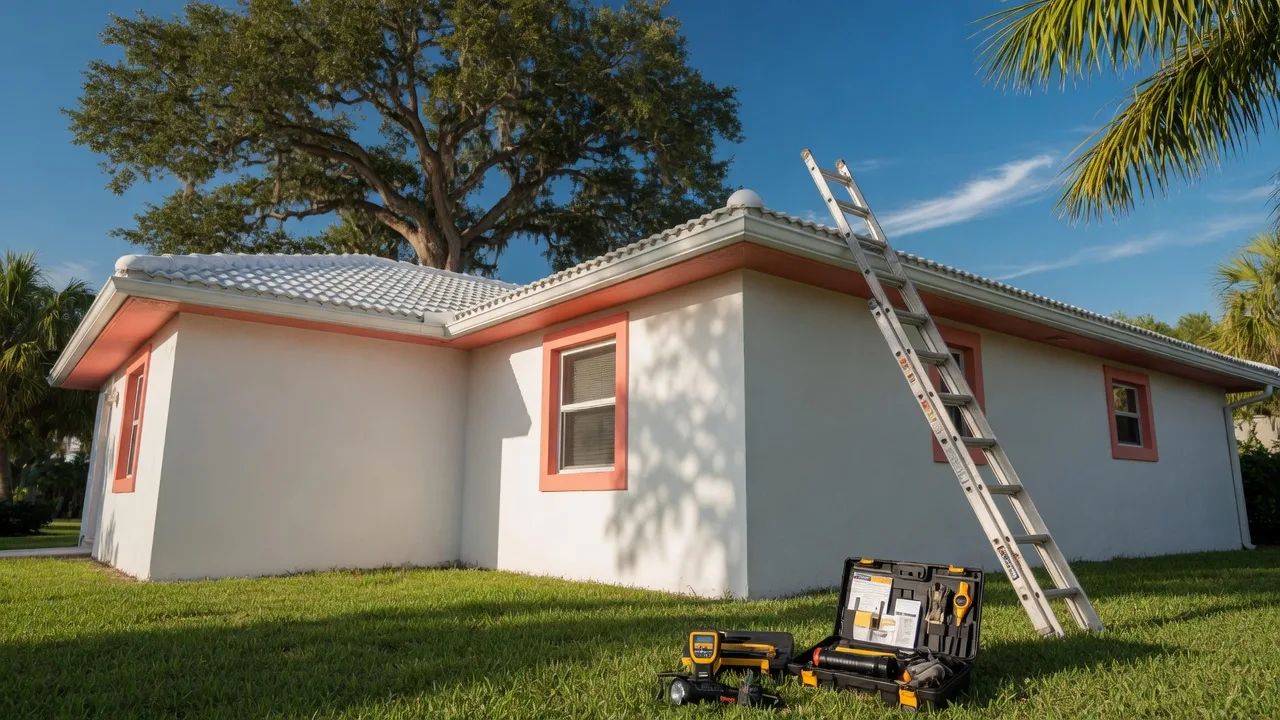
A standard home inspection is a visual, non-invasive exam of the parts of a home you can see and reasonably reach. The inspector works through the property's major systems and components, and in Florida they are licensed by the state through the Department of Business and Professional Regulation (DBPR). Here is what a typical report covers:
- Roof and attic: age and condition, visible damage, signs of leaks, insulation and ventilation.
- Exterior: siding or stucco, windows and doors, gutters, and grading and drainage around the foundation.
- Structure: foundation and framing, and visible signs of movement or moisture intrusion.
- Electrical: the panel, breakers, visible wiring, outlets, and obvious hazards.
- Plumbing: visible pipes, the water heater, water pressure, drains, and fixtures.
- HVAC: the heating and air conditioning equipment, its age and obvious condition, and air filters. In Florida this one matters a lot.
- Interior: walls, ceilings, floors, stairs, and anything that does not open, close, or drain the way it should.
Inspectors report on condition, not on whether a house passes or fails. No home gets a perfect report, and that is completely normal. The goal is to know what you are buying before you own it.
How Much Does a Home Inspection Cost in Orlando?
Most Orlando-area home inspections for a standard single-family home run between $300 and $550, with many landing in the $400 to $500 range for a home under about 2,500 square feet. The price depends mostly on square footage, the age and condition of the home, and any add-on services you choose.
Add-ons are usually quoted separately. A swimming pool or spa inspection, a sewer line camera scope, and radon testing each add to the base fee. Two add-ons you will hear about constantly in Florida are the 4-point inspection and the wind mitigation report, which I will get to in a minute. These typically add roughly $85 to $150 on top of the standard inspection.
Is it worth the money? On a $400,000 purchase, you are spending about one-tenth of one percent of the home's price to know exactly what you are buying. Few purchases in life offer that kind of return on information.
What Is Not Included in a Standard Inspection?
A standard inspection is not everything, and knowing the gaps matters. It typically does not include:
- Pool or spa: the equipment and shell need a separate inspection.
- Sewer lines: a camera scope is its own service, and it is worth it on older homes with mature trees, which is a lot of Central Florida.
- Termites and wood-destroying organisms: usually a separate WDO inspection, and very common at Florida closings because lenders and title companies often ask for a clearance letter.
- Mold, lead, and asbestos: these need specialized testing when there is reason to suspect them.
- Code compliance: inspectors report on condition, not on whether a past renovation was permitted or up to current code.
- Flood zone status: that is not something an inspector determines. It comes from FEMA flood maps, and it affects your flood insurance decision separately from the inspection.
Orlando-Specific Inspections: 4-Point and Wind Mitigation
Florida is different from most states, and inspections are one of those differences. Insurance drives a lot of what happens after an offer is accepted, because homeowner's insurance is a big deal here.
The 4-point inspection. A 4-point inspection looks at only four systems: roof, electrical, plumbing, and HVAC. Insurance companies use it to decide whether to insure an older home, and it is commonly requested when a home is 20 years or older. In the Orlando area it runs roughly $125.
The wind mitigation report. A wind mitigation inspection documents the home's wind-resistant features using Florida's official Uniform Mitigation Verification form, things like how the roof is attached and whether openings are protected. Florida law requires insurers to offer premium discounts for these features, so your insurer will likely request the report to apply the credit. Figure around $85 to $150 for this one.
Your insurance agent will tell you exactly which of these the specific home needs. It helps to know they exist before you shop for coverage, and this is the same reason to read my guide to buying a Florida home during hurricane season, which covers the insurance questions in more depth.
What Happens If the Inspection Finds Problems?
Almost every inspection report has at least a few items. The trick is sorting them into three buckets:
- Deal-breakers: structural issues, a roof at the end of its life, major electrical or plumbing problems. These justify going back to the seller.
- Negotiable items: an aging but functioning water heater or an older AC unit. These are often worth a conversation about a credit or a repair.
- Normal wear and tear: scuffs, dated finishes, small cracks. You fix these over time. That is homeownership.
Your purchase contract includes an inspection period with a set number of days to do the inspections and respond. If the report surfaces real issues, you can request repairs, ask for a credit at closing, or in serious cases renegotiate or walk away. That is a normal part of the process in Orlando, and I will help you decide what is worth asking for and how to phrase it so the deal stays on track.
Should You Ever Waive the Home Inspection?
Orlando has had competitive stretches where buyers waived inspections to make their offers stand out. It happens, and it can win a house. It also means you accept the home exactly as-is, with no professional look under the hood, and that trade-off is not right for every buyer.
If we are in a competitive situation and you want to stay in the game, there are middle paths: an informational-only inspection where you get the report but do not ask for repairs, a pre-offer inspection, or limiting repair requests to only safety and structural items. Certain loan types also have their own requirements you will need to know about. I will lay out the options and let you decide what fits your comfort level.
Do You Still Need an Inspection on a New Construction Home?
Yes, and more buyers are doing it every year. A brand-new home can still have drafting issues, wiring that does not quite work, or finishes that do not match the plan. The builder's final walkthrough is not the same as an independent set of eyes. Many Central Florida buyers hire an inspector at key milestones: before the slab pour, before the drywall goes up, and again at a final walkthrough. New construction here typically includes builder warranties, and an inspection before that warranty clock starts ticking is a smart use of the time. For more on the trade-offs, see new construction vs. resale homes in Central Florida.
How to Choose a Home Inspector in Orlando
- Verify the license. Look up their Florida license on the DBPR website before you book.
- Ask about Florida experience. Roof age, AC condition, and insurance requirements make Central Florida homes different from the rest of the country.
- Ask to see a sample report. Make sure it is one you will understand, with clear photos and plain language.
- Plan to attend the inspection yourself. It is the best two-hour education you will get on your future home, and I encourage every buyer to be there and ask questions.
- Ask me. I have reliable and trusted home inspectors I can recommend.
The Bottom Line
The inspection is not the part of the process where the deal falls apart. It is the part where you get the information you need to buy smart. Budget for it, choose a licensed local inspector, go walk the house with them, and use the report to negotiate with your eyes open. Central Florida homes have a lot of character, and a few of them have secrets. The inspection is how you find out before you sign.
To be clear about my role: I'm a licensed real estate advisor with eXp Realty, not an inspector, attorney, or insurance agent. For the fine print on your contract, your coverage, or your taxes, the licensed pros on your team are the ones to ask. My job is making sure you know what to ask, and when.
If you are shopping in Orlando or the surrounding counties and want to know how inspections fit into your timeline, that is exactly what a quick call is for. We will talk about your search, your budget, and what to expect in the contract, no pressure, no jargon.
All the best,
Arturo
Arturo Matamoros – Orlando Realtor
Helping You Build Wealth Through Real Estate
Related Articles
What Every First-Time Home Buyer in Orlando Should Know
Pre-approval, loan programs, and location strategy for your first Central Florida home.
BuyingHow Much Money Do You Need to Buy a Home in Orlando?
Down payments, closing costs, prepaids, and a realistic cash plan for Orlando buyers.
BuyingBuying a Florida Home During Hurricane Season
Insurance, flood zones, roof inspections, and building codes explained for Central Florida buyers.