
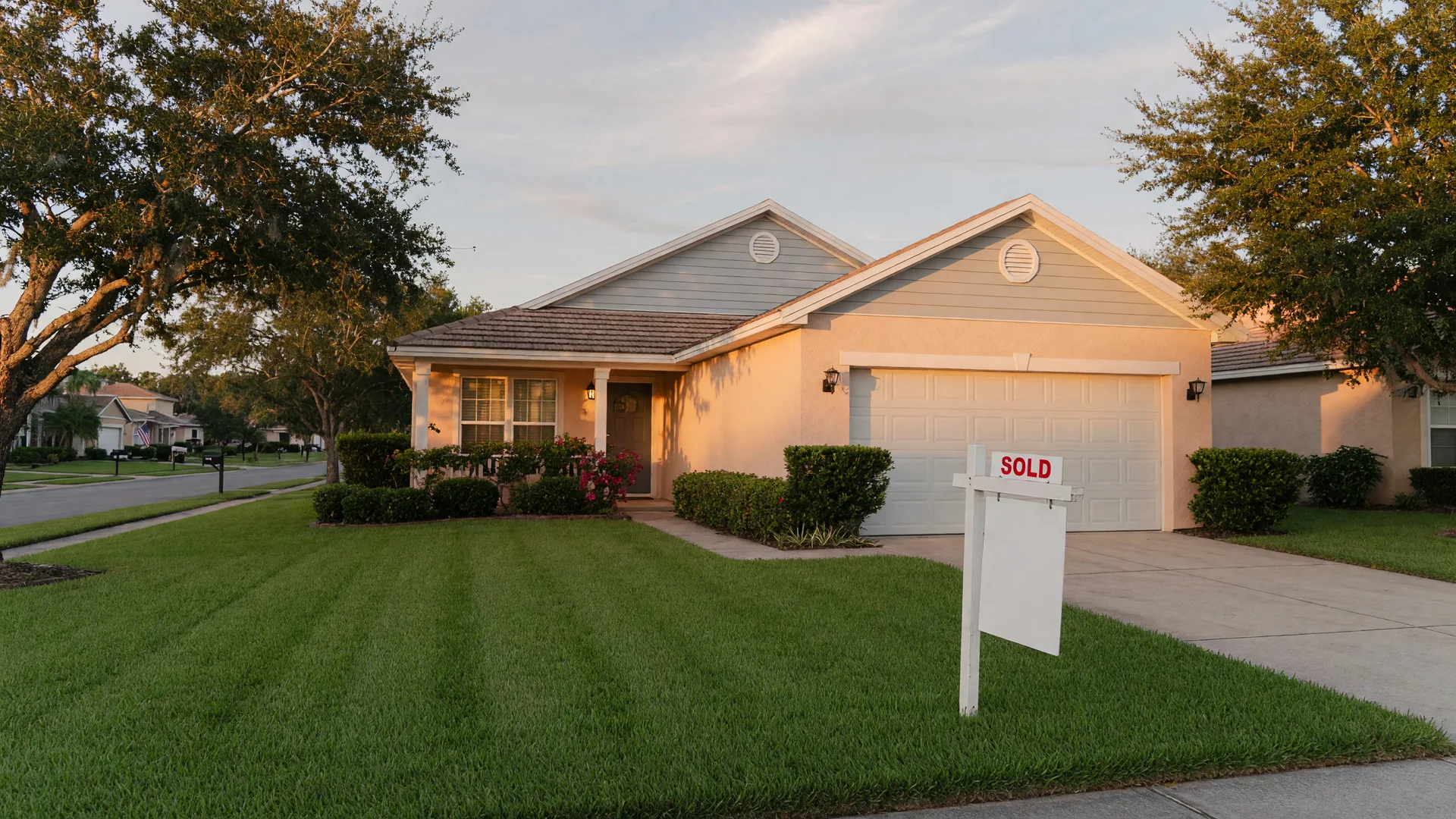
How to Price Your Home to Sell in Orlando: Setting the Right List Price

Arturo Matamoros – Orlando Realtor
"How much should I list my house for?" If you are getting ready to sell a home in Orlando or anywhere across Central Florida, this is probably the question on your mind. It is also the single most important decision of the whole sale, because the price you choose decides how many buyers come through the door, how fast they move, and what you walk away with at closing. Get it right and your home reads as the fair deal on the street. Get it wrong and it sits, the price gets cut, and you can end up selling for less than it could have fetched on day one.
Here is the short answer: the right list price is the number a current market analysis supports, not the number you owe, need, or hope for. Pricing is strategy, not wishes. In the Orlando area, homes priced inside a realistic range of their market value tend to sell faster and net more than homes that start high and then chase the market down with reductions. So the goal is not the highest list price you can imagine. The goal is the highest price buyers will actually pay, set at the moment your listing has the most attention on it.
Market figures in this article are based on Orlando Regional REALTORS data as of July 2026. Prices and market conditions change month to month, so treat them as a starting point and check current conditions before you list.
What Is a Comparative Market Analysis (CMA)?
A CMA is the tool your agent uses to build a defensible price. It compares your home with properties that recently sold nearby and are similar in size, age, condition, and location. It also looks at what is currently for sale, plus listings that expired or needed price cuts to move. The recent sales are the most important part, because they show what buyers actually paid, not what sellers asked.
Your CMA should be local. The Orlando Regional REALTOR Association reported the Greater Orlando median home price at about $410,500 in July 2026, and that is a useful temperature check for the metro as a whole. But the median is not your price. Your home is compared against sales in your own neighborhood and your own price band, because two homes ten minutes apart in Central Florida can sit in very different price ranges. A ranch in an older Orange County neighborhood and a newer home in a master planned community are not the same comparison set, even when their square footage matches.
Why Do Sellers Overprice (and Why It Isn't the Numbers)
Most overpricing does not come from greed. It comes from the story attached to the home. You raised your family there, you just finished a renovation, you need a certain net amount to make your next move work, or the balance of your loan is higher than you would like. Buyers cannot see any of that, and the market does not care. Buyers compare your home with the ones they toured all weekend, and your personal bottom line never enters their math.
There is also the very human fear of leaving money on the table. "If the first offer comes in fast, did I price too low?" Remember that a fast sale usually means the price matched what buyers in the area were already paying. A home that sells quickly is not proof you priced it cheap. It is proof you priced it right, and that momentum gives you more negotiating confidence, not less. Plenty of sellers regret an expensive month spent chasing a market they never agreed with. Very few regret a well-priced home that attracted attention and closed clean.
What Actually Happens When a Home Is Priced Too High?
An overpriced home does not just sit politely. It sets off a chain reaction:
- It misses the buyers' searches. Most buyers search online by price range. Price your home above the top of the market range and it never appears in the results where the buyers are looking.
- It wastes your best window. A new listing gets its biggest burst of attention in the first couple of weeks. Overprice it and you burn that burst on no-shows.
- It teaches buyers to discount. Zillow's research on overpricing found that homes lingering about two months on the market sold near 5 percent below their original list price, while listings on the market close to a year sold roughly 12 percent below list. Homes that sold quickly closed at about 1 percent below list. Those are national averages, not promises about yours, but they match the pattern agents observe in Central Florida.
- It attracts lower offers later. Once a price cut happens, buyers assume you are motivated, and offers after a reduction often land below what buyers would have offered at the original number.
Here is the uncomfortable part of the deal: the longer a home sits with a price buyers reject, the deeper the discount they expect. A home that starts $40,000 above its supportable range and ends up selling below it loses more than just dollars; it loses the fresh listing status and the negotiating position that came with the launch. Overpricing is also the most common reason a home stops selling in Orlando, and it is the easiest issue to fix on day one.
Why the First Weeks on the Market Decide So Much
The first ten to fourteen days are the strongest moment a listing will ever have. New listings appear at the top of the feed, agents set up alerts, and buyers tour the newest options first. If the home is priced over its market range in that window, your spotlight goes to the next listing in the neighborhood. A price cut later does not reset the news cycle; buyers have already moved on to the next new thing each week.
This is why "list it and we can always come down" is such an expensive strategy. Every week on market with the wrong number costs you showings, negotiating power, and eventually dollars. The cheapest price cut you will ever make is the one you never need because the listing started at the market.
Should You Ever Price Slightly Below Market Value?
Sometimes, yes. In neighborhoods where buyer demand is stronger than the supply, pricing a few points under the supportable range can spark competing offers that push the final price back to market, or above it. That is a real strategy and it works in certain Orlando communities and certain price bands.
It is not automatic, though. In a more balanced market, like much of Central Florida in 2026, buyers may simply wait for the "deal" to be real, and the lower price just becomes the sale price, which means the strategy gave money away. The tactic works best when your agent can show you recent activity in your neighborhood: how many offers similar homes have drawn, how many days they sat, and how many active competitors are selling in your price band that exact month. Let the actual activity in your area decide it, not a story about how it worked somewhere else.
What Role Does the Appraisal Play?
When the buyer is financing the purchase, the lender orders an appraisal, and the appraiser values the home using recent sales, not your asking price. If the contract price is out of line with what the sales support, you get what agents call an appraisal gap. The buyer can bring cash to make up the difference, or the two sides renegotiate. Either way, the surest way to avoid it is to price inside the supportable band from the start.
One practical note: mortgage rates and buyer financing programs change often, so buyers should confirm current terms with their own licensed lender. My job is not a lender; my job is making sure the pricing story of your home matches the numbers the lenders and appraisers will pull from the same sales data.
How to Choose the Right Number, Step by Step
- Get a current CMA. Use sales from the last four to six months in your immediate area, then adjust for your home's condition.
- See the competition yourself. Tour the comparable homes that recently sold or are active so you understand why one sold above another.
- Adjust for your features. Add or subtract for the lot, renovation quality, a pool, a garage, a guest suite, plus any negatives like a busy road or an aging roof.
- Pick inside the range, not on the top edge. The supportable range has a bottom and a top; the smart number usually sits inside it, leaving room for negotiations without leaving money behind.
- Decide your week-one strategy. Market the price, or price slightly below to draw offers, based on the current level of neighborhood demand.
- Review the data, don't just wait. Check showings and feedback weekly. If the market is telling you something in the first two weeks, listen early, because the presentation and the preparation only matter if the price gets buyers in the door.
The Local Picture: Orlando in Fall 2026
Orlando's market is not one single market; it is a collection of neighborhoods and price bands that move at their own speeds. The Orlando Regional REALTOR Association reported the Greater Orlando median at about $410,500 in July 2026, and inventories have been shifting toward a more balanced market, which means buyers have more choices and a bit more patience than they did a year or two ago. For sellers, that patience means the price needs to be set more carefully than when every listing drew multiple offers. Buyers still move quickly, and a well-priced home in strong condition can outpace the pack, but "well-priced" now has to do real work in the first week. The days of pricing over market and waiting for the market to catch up are over, and getting the number right the first time matters more than ever.
If you are selling in Orange, Seminole, Osceola, Lake, or Polk counties, the same seasonal pattern matters: late summer and fall bring fewer buyers but often fewer listings competing, and your pricing strategy in September and October can look different from the same home in April. Your market analysis should include the season, not ignore it.
How Much Do You Actually Need to Net?
Once you have a target price, it helps to work backwards from the check you want. Commissions, documentary stamp, title insurance, and prorated costs all come out of the sale, and they affect what a list price means for your pocket. We cover the full list in the other guide: what Orlando sellers actually pay at closing walks through every line dollar by dollar. Knowing that number before you choose a list price keeps you from pricing off of what you "need" instead of where the market bends.
The Bottom Line
Pricing a home is not about the number you need. It is about the number the market will pay, at the moment the market is paying attention. Set your listing inside the supportable range, give it every advantage in the first two weeks, and let the strongest window of the sale do the work. Get that right and selling your home becomes a step forward for your wealth, not a step backward.
If you want to know what your Orlando area home is actually worth right now, I will personally build a current market analysis for your property and walk you through the numbers in one conversation, no pressure and no guessing.
Arturo Matamoros is a licensed Florida real estate sales associate with eXp Realty, License #SL3390078. This article is general information only and is not financial, tax, legal, or mortgage advice; please consult the appropriate licensed professionals for your specific situation.
All the best,
Arturo
Arturo Matamoros – Orlando Realtor
Helping You Build Wealth Through Real Estate